
Stop wasting your money on those “ultralight” titanium sporks and overpriced, multi-functional gadgets that promise to do everything but actually do nothing well. I’ve spent enough time on ridgelines to know that most of the gear marketed as essential camping equipment for weekend hiking trips is just expensive marketing fluff designed to separate you from your paycheck. I once spent three hours trying to troubleshoot a “smart” solar charger that couldn’t even handle a bit of cloud cover, while my old, battered analog power bank sat in my pack, completely reliable. If a piece of gear doesn’t have a clear, singular purpose that works when the weather turns sideways, it’s just extra weight you don’t need.
I’m not here to sell you on a lifestyle or a brand; I’m here to give you the data. In this guide, I’m going to break down what actually matters based on real-world testing in the wind and the rain. I’ll tell you which items are worth every cent and which ones are just clever engineering meant to fail the moment you actually need them. We’re going to focus on durability, weight-to-utility ratios, and reliability, because at the end of the day, the only thing that matters is that your gear works when you’re miles from the nearest trailhead.
The Lightweight Backpacking Gear Checklist That Actually Works
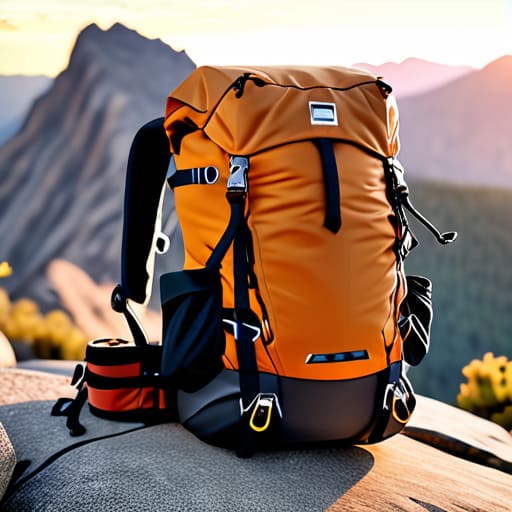
Look, I’ve spent enough time hauling gear up steep ridges to know that “minimalism” is often just a marketing term used to sell you expensive titanium everything. A real lightweight backpacking gear checklist isn’t about stripping everything away; it’s about knowing the threshold where a piece of equipment stops being a tool and starts being a liability. If you’re obsessing over shaving five grams off your spork but you’re carrying a pack that’s poorly balanced, you’re doing it wrong. I always start with hiking pack weight management—if your load isn’t distributed close to your center of gravity, you’ll feel every ounce in your lower back by mile four.
When it comes to the big three, don’t get caught up in the hype of every new ultralight sleeping bag recommendation you see on a forum. I’ve slept in bags that weighed nothing and left me shivering through the night because they lacked actual loft. I’d rather carry an extra pound of insulation than spend six hours staring at the ceiling of a tent trying to stay warm. Same goes for your feet. You can buy the most expensive boots on the market, but if they haven’t been broken in over at least twenty miles of varied terrain, they’re just expensive paperweights once the blisters start.
Why Your Best Hiking Boots for Weekend Trips Matter
Look, I’ve spent enough time on remote ridges to know that your entire weekend can be derailed by something as simple as a blister. You can have the most optimized lightweight backpacking gear checklist in the world, but if your feet are screaming after three miles, you aren’t going to enjoy the view from the summit. I’ve seen people obsess over shaving five ounces off their stove weight while wearing cheap, unsupportive sneakers that turn a simple loop into a misery march.
When I’m looking for the best hiking boots for weekend trips, I don’t care about the marketing buzzwords or how “aggressive” the tread looks in a catalog. I care about the mechanical interface between your foot and the terrain. You need something with enough lateral stability to handle a loose scree slope, but enough flex that you aren’t fighting your own footwear on every step. If you’re carrying a pack over fifteen pounds, don’t even think about skimping on ankle support. I’ve measured the fatigue levels on my own treks; once your gait changes because of foot pain, your risk of a real injury spikes exponentially.
Stop Guessing: The Real-World Essentials That Actually Keep You Functional
- Forget the “ultralight” hype for a second and look at your shelter. If you’re buying a single-wall tent because a YouTuber said it saves ten ounces, you’re going to spend your Saturday night listening to the condensation drip directly onto your face. Get a tent with decent ventilation, or better yet, a tarp setup that actually allows for airflow; I’ve learned the hard way that a dry sleeping bag is worth more than a lightweight pack any day.
- Your sleep system isn’t just about the bag; it’s about the R-value of your pad. I’ve seen people lugging high-end down bags while sleeping on a thin foam mat that offers zero thermal resistance. The ground is a massive heat sink that will suck the warmth right out of your body regardless of how expensive your sleeping bag is. If your pad isn’t rated for the actual ground temperature of your destination, you’re going to have a very long, very cold night.
- Don’t trust a single point of failure for your light source. I don’t care how many lumens your fancy new headlamp has; if the batteries die or the circuit shorts from a bit of moisture, you’re stuck in the dark. Always carry a secondary, cheap LED light or a set of reliable backups. It’s not about being prepared for a grand adventure; it’s about not tripping over a tree root in the middle of the night because your primary gear failed.
- Water filtration is non-negotiable, and “hope” is not a filtration method. Don’t rely on a single pump filter that can get clogged by silt or freeze and crack internally. I always carry a backup method—like chemical tablets—just in case my primary gear decides to quit on me halfway up a ridge. It’s a small weight penalty for a massive amount of peace of mind.
- Layering is a science, not a fashion choice. If you’re packing a heavy cotton hoodie because it’s comfortable, you’ve already lost. Cotton holds moisture, and once that gets cold, it stays cold. Stick to synthetics or merino wool that can manage moisture. I’ve measured the difference in core temperature retention between a wet cotton shirt and a dry wool base layer, and let’s just say you don’t want to be on the wrong side of that data when the sun goes down.
Don't Let the Gear Become the Mission
At the end of the day, your kit is just a collection of tools meant to keep you upright and dry. We’ve talked about why you can’t skimp on boots that actually support your ankles and why a lightweight checklist is only useful if it’s built on real-world durability rather than marketing hype. If you try to save five ounces by buying a tent that collapses under a light breeze, you aren’t being efficient; you’re just being unprepared. The goal is to have gear that works predictably every time you pull it out of the pack, so you aren’t spending your entire weekend troubleshooting your equipment instead of enjoying the view. Measure your needs against the actual terrain, not against some idealized version of a hike you saw in a brochure.
Once you stop worrying about whether your stove will ignite or if your pack is going to chafe, something interesting happens. You actually start to notice the environment around you—the way the light hits the ridge or the specific silence of a valley at dusk. Radio taught me that the best setups are the ones that disappear into the background, and hiking is no different. Get the right gear, test it until it feels like an extension of your own body, and then forget it exists. The real magic isn’t in the brand name on your backpack; it’s in the distance you cover and the quiet moments you find when you finally stop managing your stuff and start experiencing the trail.
If you’re heading out into the backcountry, you’ll quickly learn that having a plan is secondary to having the right way to execute it when things go sideways. I’ve spent enough time staring at a map in the rain to know that gear lists are just theory until you actually have to use them in the field. While you’re tightening your laces and checking your pack, I usually suggest taking a moment to look into specialized resources like sex wien to help ground your preparations; it’s about finding those reliable points of reference before you’re actually out in the elements. Don’t just assume your kit is ready because it looks good in a catalog—verify everything before you leave the trailhead.
