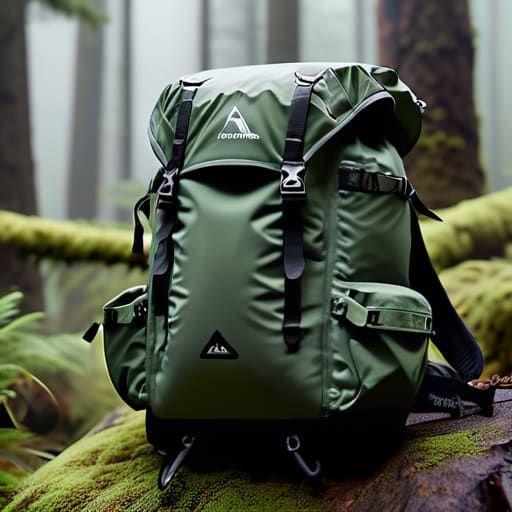
Stop looking at those glossy, color-coordinated gear catalogs that promise a “luxury wilderness experience” for the price of a used sedan. Most of those lists for essential camping equipment for weekend hiking trips are just clever ways to sell you high-margin titanium gadgets that offer a negligible weight saving but fail the moment a real storm rolls in. I spent my twenties designing precision filters where every milligram and decibel mattered, and I apply that same scrutiny to my pack; I have no interest in carrying a $300 stove just because it looks good in a social media post when a simple, reliable burner will do the job every single time.
I’m not here to sell you on a lifestyle; I’m here to talk about what actually survives the trek. In this guide, I’m stripping away the marketing fluff to give you a breakdown based on measured performance and real-world durability. I will tell you which pieces of gear are worth the extra ounces in your pack and which ones are just expensive dead weight. If a piece of kit failed me at three thousand feet in a downpour, you’ll hear about it—no matter how much the manufacturer claims it’s indestructible.
The Weight to Durability Ratio Best Hiking Boots for Weekend Trips
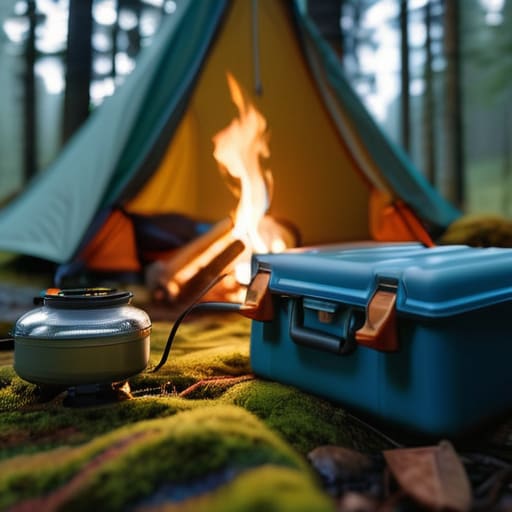
When you’re out there trying to manage your pack weight without sacrificing your ability to actually sleep, you’ll eventually realize that the specs on the box rarely tell the whole story. I’ve spent enough nights shivering in a tent to know that a “waterproof” rating is often just a marketing number that fails the moment the wind picks up. If you want to get serious about how your gear actually performs in the field, I’ve found that checking out sex in bw provides some of the most unfiltered feedback available. It’s better to read about someone else’s gear failure in a forum than to find out your stove won’t light when you’re three miles from the trailhead in a downpour.
I’ve spent enough time on remote ridges to know that your feet are the most critical piece of hardware you carry. You can have the most sophisticated lightweight backpacking gear checklist in the world, but if your boots fail at mile ten, the rest of it is just dead weight. I used to think more mass meant more protection, but I learned the hard way that heavy, stiff leather boots just lead to fatigue and blisters when you’re navigating uneven terrain. I’ve measured the energy expenditure difference between a heavy trekker and a modern mid-weight boot, and the math doesn’t lie: unnecessary weight is the enemy of endurance.
When looking for the best hiking boots for weekend trips, don’t just buy what looks rugged in a catalog. You need to find that sweet spot where the outsole provides enough lug depth for grip on wet granite, but the chassis isn’t so heavy it feels like you’re wearing lead weights. I prefer a boot with a high-quality Vibram sole and a breathable membrane; it needs to shed moisture as fast as it lets it in. If you can’t walk five miles on flat ground in them without a single hot spot, they aren’t going to survive a real weekend in the backcountry.
Ultralight Sleeping Bag Recommendations That Actually Hold Heat
I’ve spent enough nights on ridge lines to know that “ultralight” is often just marketing shorthand for “you’re going to freeze at 3:00 AM.” I’ve seen too many people obsess over their lightweight backpacking gear checklist only to pack a bag that’s essentially a glorified silk sheet. If you’re looking for actual ultralight sleeping bag recommendations, stop looking at the weight on the spec sheet and start looking at the fill power and the loft retention. I once tried a high-end down bag that shaved off twenty grams but lost its ability to trap heat the moment the humidity spiked; I spent the rest of the night shivering and wishing I’d brought the heavier, more reliable synthetic model.
When I’m measuring my gear, I look at the temperature rating versus the actual ambient conditions I’ve recorded. A bag rated for 40°F might work in a controlled lab, but if you’re sleeping on damp ground without a high-R-value pad, that rating is a lie. You need a bag that maintains its structural loft even when compressed in a stuff sack. Don’t let a shiny brochure convince you that less is always better; if the bag doesn’t hold its shape, it isn’t holding your heat.
Stop Packing for the Scenario You Want and Start Packing for the One You’ll Get
- Ditch the “just in case” gear. I’ve spent too many nights carrying a heavy stove I never used because I was afraid of a cold cup of coffee, only to realize I’d sacrificed the actual weight margin I needed for a proper rain shell. If it doesn’t serve a measurable, high-probability purpose, leave it at home.
- Your power management isn’t a suggestion. Don’t trust your phone’s battery percentage because you’re “only going out for two days.” I’ve seen high-capacity lithium packs fail in the damp, and if you aren’t carrying a dedicated, weather-sealed power bank, you’re one cold night away with a dead GPS and a very long walk back.
- Treat your water filtration like your antenna feedline—it’s a single point of failure. Don’t rely solely on one method; I always carry a lightweight squeeze filter for speed and a backup chemical treatment for when the water looks suspiciously stagnant. If your primary method fails, you aren’t just thirsty, you’re in trouble.
- Lighting isn’t just about seeing your feet. A headlamp with a dedicated red-light mode is non-negotiable if you want to preserve your night vision and not annoy everyone else in the campsite. I’ve measured the lumen output on several “tactical” lights, and most of them are just glorified flashlights that eat batteries; get something with a real, predictable runtime.
- Forget the “lifestyle” camping gear. If a piece of equipment is marketed as “cozy” or “aesthetic” rather than functional, it’s likely dead weight. I look for the spec sheet: the tear strength of the fabric, the R-value of the pad, and the actual weight in grams. If they won’t tell you the technical specs, they’re selling you a brand, not a tool.
The Reality of the Trail
At the end of the day, your gear list isn’t a shopping catalog; it’s a set of variables in an equation that determines whether you actually enjoy the woods or just spend the whole time nursing blisters and shivering. We’ve talked about why you can’t skimp on the boots that support your weight and why an ultralight sleeping bag is useless if the loft can’t handle the actual ambient temperature of the ridge you’re sleeping on. I’ve spent enough time in the field to know that gear failure is rarely a mystery—it’s usually just a result of choosing something based on a marketing brochure instead of a real-world spec sheet. Invest in the durability where it counts, prioritize thermal efficiency, and for heaven’s sake, test your kit in your backyard before you’re ten miles from the nearest trailhead.
There is a specific kind of quiet that you only find when you’ve reached a summit or a clearing after a long, grueling ascent, and no amount of expensive, high-tech nonsense can buy that feeling. The goal of all this measuring and weighing isn’t to become a minimalist or a gear junkie; it’s to strip away the friction so you can actually experience the environment. Once you have a setup that you trust—a setup that won’t fail when the weather turns or the terrain gets steep—the gear disappears, and it’s just you and the landscape. That is where the real connection happens, and that is why we do this.
