I still remember the smell of scorched electrolyte and ozone from my first real mistake—a lithium pack that decided it didn’t like the cheap, unbranded charger I’d picked up at a discount shop. It wasn’t just a ruined battery; it was a loud lesson in why you don’t trust a device that lacks a proper current-limiting circuit. Most people think learning how to charge batteries safely is just about reading the little LED light on a plastic brick, but if you aren’t monitoring the voltage curves and thermal behavior, you’re basically just hoping for the best while sitting next to a potential fire hazard.
I’m not here to sell you on some overpriced, “smart” charging station that claims to do everything while hiding the actual telemetry from you. Instead, I’m going to show you how to use real-world tools—like a decent multimeter and a basic shunt—to actually understand what’s happening inside those cells. I’ll give you the data on charge rates, temperature thresholds, and the specific signs of thermal runaway so you can stop guessing and start operating with confidence.
Table of Contents
Real Data on Correct Voltage Levels for Charging
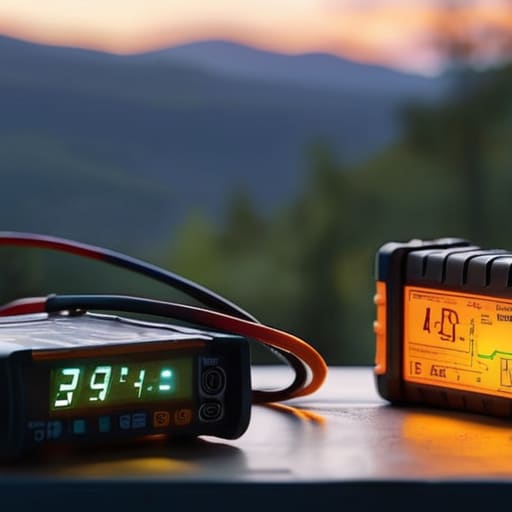
Most people treat their battery charger like a “set it and forget it” appliance, but if you’re running LiFePO4 or standard Li-ion packs for your portable rig, that mindset is dangerous. I’ve seen too many setups where someone assumes a generic 14.4V supply is fine for everything. It isn’t. If you push past the chemistry’s specific ceiling, you aren’t just “topping it off”—you are actively courting thermal runaway prevention failures. I once spent a weekend on a ridge with a DIY power station that nearly turned into a signal flare because the voltage regulator drifted just 0.3V too high.
When we talk about correct voltage levels for charging, you have to respect the datasheet, not the label on the box. For a standard 3-cell Li-ion pack, that means a hard stop at 12.6V. If your charger doesn’t have integrated overcharging protection mechanisms that actually trip when they hit that ceiling, you’re essentially playing Russian roulette with your gear. I always keep a calibrated multimeter in my kit to verify what the charger is actually outputting; don’t trust a cheap LED indicator to tell you the truth about your cell’s state.
Battery Charger Safety Features That Actually Work
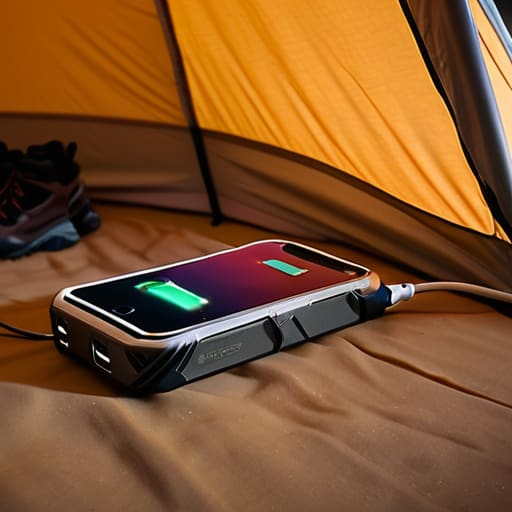
Most manufacturers will hand you a spec sheet filled with promises, but when you’re out in a tent or a makeshift shack, you need to know which features are actually doing the heavy lifting. I’ve seen too many “smart” chargers that claim to have sophisticated overcharging protection mechanisms, only to fail the moment the ambient temperature climbs above twenty degrees Celsius. A real piece of kit shouldn’t just shut off when the voltage hits the ceiling; it needs to actively monitor the internal resistance. If a charger can’t sense that a cell is struggling to take a charge, it’s just a glorified power supply waiting to cause trouble.
When it comes to lithium ion battery fire prevention, the most critical component isn’t the software—it’s the thermal management. You want a charger that integrates a dedicated thermistor to trigger a hard cutoff if the pack starts heating up prematurely. If you aren’t seeing a controlled, gradual taper in current as you approach full capacity, you aren’t managing the chemistry; you’re just forcing it. True thermal runaway prevention relies on that ability to sense a spike in temperature before the chemistry becomes unstable. If your charger doesn’t have a dedicated thermal trip, leave it on the shelf.
Five Rules for Not Turning Your Field Setup Into a Smoldering Mess
- Stop relying on the “Full” light on cheap chargers. Those LEDs are often just a suggestion based on a timer, not the actual chemistry inside the cell. If you’re running a serious LiFePO4 setup for portable ops, use a dedicated monitor to check the actual voltage at the terminals. If the voltage is still climbing after the charger says it’s done, your charger is lying to you.
- Watch the heat, not just the clock. I’ve seen plenty of people leave a charger running overnight because they assume it’ll just cut off. If your battery casing feels hot to the touch—not just warm, but actually uncomfortable—something is wrong with your charge rate or your internal resistance is spiking. Shut it down and check your connections.
- Match your charger to the chemistry, every single time. I see people trying to use an old NiMH charger on a modern Lithium pack because “it’s just DC,” and that’s a fast track to a thermal runaway event. If the charger doesn’t explicitly list the specific chemistry of your battery, leave it on the shelf.
- Tighten your connections, but don’t overdo it. A loose terminal creates resistance, and resistance creates heat. I’ve had more than one station failure because a high-current charging lead was just “snug” enough to arc slightly under load. Ensure your lugs are clean and your crimps are solid, but if you’re stripping threads on a terminal post, you’ve gone too far.
- Always charge in a ventilated spot. Even when everything is working perfectly, batteries off-gas, and if you’re using lead-acid backups, that hydrogen is a real issue. If you’re charging inside a tent or a cramped shack, make sure there’s actual airflow. Don’t create a localized pocket of flammable gas and then wonder why your spark tester is a bad idea.
The Bottom Line for Your Field Setup
Stop relying on “auto” settings on cheap chargers; if you aren’t monitoring the actual voltage and current draw with a multimeter, you aren’t charging, you’re just hoping.
Thermal management isn’t a suggestion—if your battery bank feels hot to the touch during a charge cycle, your charging rate is too high or your ventilation is non-existent, and you’re killing the chemistry.
Always prioritize chargers with actual current limiting and disconnect features, because a charger that keeps pushing voltage long after the battery is topped off is just a slow-motion fire hazard.
The Danger of "Set and Forget"
Most people treat a battery charger like a kitchen toaster—you plug it in, walk away, and assume it’ll just do its job. But if you aren’t watching the voltage curve or feeling the casing for unexpected heat, you aren’t charging; you’re just gambling with a chemistry set that’s looking for an excuse to vent.
Wren Castellano
Don't Leave Your Power to Chance
At the end of the day, keeping your gear running shouldn’t feel like a roll of the dice. We’ve talked about why you can’t just trust a generic voltage setting and why those built-in safety cut-offs are your only real line of defense against a thermal runaway event. If you aren’t monitoring your charging current or verifying that your charger actually respects the chemistry of your cells, you aren’t really managing your power—you’re just hoping for the best. And in my experience, hope is a pretty poor substitute for a multimeter and a solid understanding of your battery’s limits.
There is a specific kind of satisfaction in knowing that every component of your station is stable, from the antenna up to the cells powering your transceiver. When you take the time to master the physics of your power supply, you aren’t just being “safe”; you are building a foundation of reliability that allows you to focus on what actually matters—the signal. Whether you are sitting in a home shack or perched on a ridge three miles from the nearest road, trust your measurements, not the marketing fluff. Once you stop guessing and start knowing, you’ll find that the real joy of radio comes from the confidence that your gear will be there when the ionosphere finally opens up.
Frequently Asked Questions
If I'm using a cheap LiFePO4 pack for my portable rig, how much of a difference does it actually make to use a dedicated BMS versus just a standard CC/CV charger?
If you’re running a cheap LiFePO4 pack, a standard CC/CV charger is only doing half the job. It handles the current and the voltage, but it’s blind to what’s happening inside the cells. Without a dedicated BMS, you’re gambling that your cells stay balanced. If one cell drifts high while the others sit low, that charger will keep pushing voltage until you’re looking at a permanent loss of capacity—or worse. Get the BMS.
My charger says it's "smart," but how do I actually verify it's not just pushing too much current as the battery hits the top end of the charge cycle?
Don’t take the “smart” label at face value; that’s just marketing fluff. If you want the truth, you need to hook up a real-time current monitor or a shunt between the charger and the battery. Watch that amperage as you approach the absorption stage. If that curve doesn’t start tapering down smoothly as the voltage hits the target, your “smart” charger is just a glorified power supply that’s going to cook your cells.
Is it worth the extra weight to carry a dedicated temperature-compensated charger when I'm out on a summit, or is that just another piece of gear I don't need?
Look, I know every ounce matters when you’re hauling a kit up a steep grade, but don’t skimp here. If you’re charging in the shade of a granite peak at 4°C or sitting in direct sun at 30°C, a standard charger is flying blind. It’ll either undercharge or, worse, push too much current into a warm cell. If you want your LiFePO4s to last more than two seasons, carry the compensated charger. It’s worth the weight.
