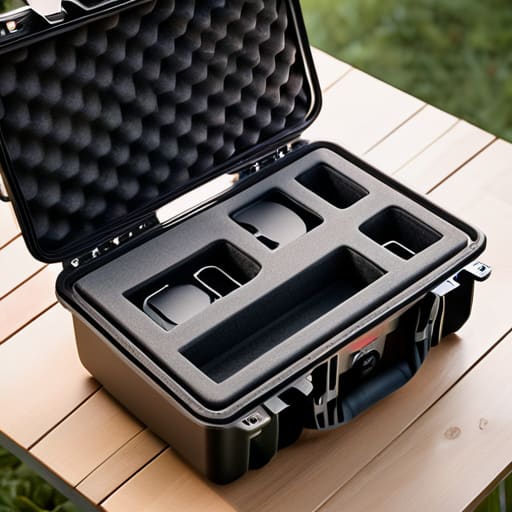
I once spent three hours hiking up a ridge in the Cascades, only to realize I’d packed a “ruggedized” hard case that was so heavy and cumbersome it felt like I was hauling a small boulder up a staircase. I was so focused on the spec sheet that I forgot the most basic rule of portable operating: if you can’t carry it comfortably, you’re going to leave it in the truck, and if you leave it in the truck, you aren’t actually operating portable. Most people approach the question of how to choose a case for portable gear by looking at how much water it can withstand or how many layers of foam it has, but they completely ignore the human element of the deployment.
I’m not here to sell you on the most expensive, over-engineered Pelican case on the market just because it has a fancy latch. I want to talk about the reality of field use—the weight distribution, the ease of access when your hands are cold, and the way a case actually fits into your real-world kit. I’m going to give you the honest, measured truth about how to choose a case for portable gear based on what actually works when you’re miles from the nearest paved road and the weather is starting to turn.
Table of Contents
- Hard Shell vs Soft Shell Cases the Real Impact Resistance Ratings
- Why Your Protective Equipment Storage Needs More Than a Pretty Shell
- Five Things I’ve Learned After Dropping More Than a Few Cases
- The Bottom Line Before You Pack the Truck
- The Weight of Reality
- The Final Checklist
- Frequently Asked Questions
Hard Shell vs Soft Shell Cases the Real Impact Resistance Ratings
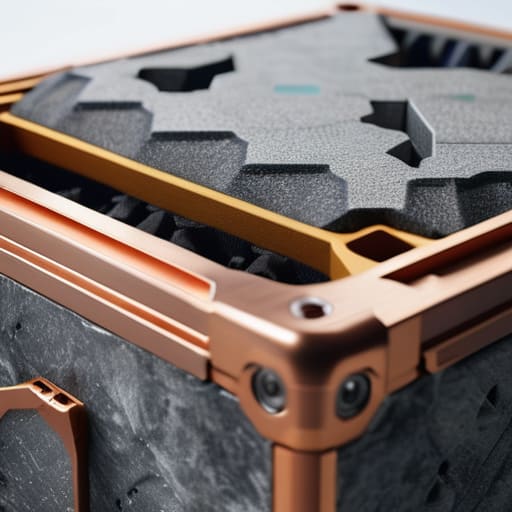
You’ll see marketing sheets for hard cases boasting all sorts of impressive-sounding impact resistance ratings, but here is the reality: a rating is only as good as the thing sitting inside it. I’ve dropped a Pelican-style hard shell case from waist height onto granite while hiking a ridge, and while the case looked fine, the shockwave traveled straight through the plastic and rattled the crystals in my SDR until it wouldn’t lock onto a frequency. A hard shell is great for keeping out the grit and the rain, but if you don’t have high-quality, customizable interior padding to decouple your gear from the shell, you’re just building a very expensive coffin for your electronics.
On the flip side, soft shell bags are much more forgiving when it comes to vibration, but they fail the moment the weather turns. I’ve spent too many afternoons watching a “weather-resistant” zipper soak up moisture like a sponge during a sudden downpour. If you are moving between vehicles and base camps, a soft bag is fine. But if you are actually trekking into the bush, you need the structural integrity of a hard case, provided you invest in the right foam to soak up the kinetic energy.
Why Your Protective Equipment Storage Needs More Than a Pretty Shell
Look, a case that can survive a drop from a workbench isn’t the same thing as a case that survives a hike up a granite ridge in a downpour. Most people get caught up in the marketing jargon of ruggedized gear protection, but they forget that the shell is only half the battle. I’ve seen plenty of expensive, crush-proof boxes fail because the person inside didn’t account for the kinetic energy of a heavy transceiver sliding around inside like a loose tooth. If your gear isn’t immobilized, that “indestructible” shell is just a very expensive way to deliver a high-velocity impact directly to your radio’s internal oscillators.
You also need to look past the aesthetic and check the actual seals. I don’t care how many Mil-Spec stickers are on the lid if the waterproof seal technology is a cheap rubber gasket that’s going to perish after one summer in the sun. If you’re hauling an SDR and a sensitive power supply, a single leak during a sudden mountain squall turns your setup into a very expensive paperweight. Don’t just buy the prettiest box on the shelf; buy the one that actually keeps the environment out of your electronics.
Five Things I’ve Learned After Dropping More Than a Few Cases
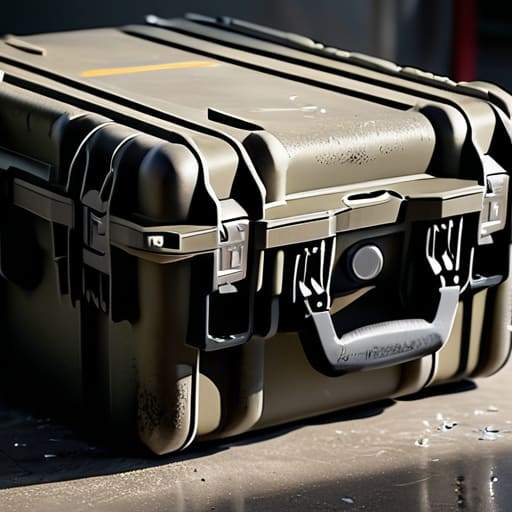
- Measure your gear’s actual footprint, not just its length. I’ve seen people buy a case that fits their radio perfectly, only to realize there’s zero room left for the coax, the power supply, or the handheld they use for local comms. If you can’t fit your entire station—including the mess of cables—into the case, you aren’t actually portable; you’re just carrying a heavy box that forces you to unpack everything every time you stop.
- Forget the “waterproof” marketing fluff and look at the seals. A case might be rated for a splash, but if you’re setting up on a ridge in a drizzle or dealing with morning dew on a damp hillside, those cheap zippers will let moisture in. I always check if the O-ring is actually serviceable and if the pressure equalization valve actually works, because a vacuum-sealed case is a nightmare to open when the temperature drops.
- Don’t over-engineer the foam. Pre-cut “pick-and-pluck” foam is fine for a weekend trip, but it eventually loses its memory and turns into a crumbly mess that gets into your rig’s cooling fans. If you’re investing in a serious case, spend the extra hour cutting custom Kaizen foam; it holds the gear exactly where you put it, and it won’t shift around when you’re navigating a steep trail.
- Weight is a real-world constraint, not a theoretical one. You can buy the most indestructible, military-spec Pelican case on the market, but if it adds five pounds to your pack, you’re going to start leaving gear behind to save your back. I’ve learned to balance the “indestructible” factor against the “will I actually carry this up a hill” factor every single time.
- Check the latch ergonomics for when your hands are cold or dirty. There is nothing more frustrating than trying to get your gear out of a case when you’re wearing gloves or when your hands are covered in grit from a field setup. If the latches require fine motor skills or a certain amount of “finesse,” they are going to fail you when the weather turns sour and you just need to get your transceiver running.
The Bottom Line Before You Pack the Truck
Stop chasing the highest IP rating on a spec sheet; if the case doesn’t fit your specific radio and transceiver combo without forcing the latch, you’re going to end up leaving it in the garage when the hike gets steep.
A hard shell protects against a drop, but it doesn’t protect against vibration; if you aren’t using high-density custom foam, your solder joints are going to be the first thing to fail on a bumpy access road.
Weight is a functional constraint, not a suggestion—if your “protective” setup weighs as much as a small child, you’ll find yourself compromising on your antenna height just to make the hike manageable, and we both know that’s where the real performance lives.
The Weight of Reality
Stop looking at the spec sheet for a moment and think about the actual hike you’re planning; if you pick a case that’s technically ‘indestructible’ but adds five pounds of useless bulk, you aren’t going to carry it to the summit, and a case sitting in the back of your truck does absolutely nothing for your gear.
Wren Castellano
The Final Checklist
At the end of the day, choosing a case isn’t about picking the most expensive brand name on the shelf; it’s about matching the protection to your specific operational reality. If you’re just hopping from the driveway to a local park, a rugged hard shell might be overkill and frankly, a pain to lug around. But if you’re hiking two miles up a ridge to get a clear view of the horizon, you need something that balances weight with actual impact resistance. Remember that a case is only as good as its interior layout—if your gear is rattling around inside like dice in a cup, no amount of high-density foam is going to save your solder joints when you take a tumble. Measure your footprint twice before you commit to a shell.
I’ve spent more nights than I care to admit troubleshooting gear that survived a drop but lost its calibration because the internal cushioning was inadequate. Don’t let your focus on the “perfect” setup stop you from actually getting out there. The best gear in the world is useless if it stays tucked away in a closet because you’re too worried about it getting a scratch. Pick a case that works for your lifestyle, pack it with care, and then get out into the field. The ionosphere doesn’t care how shiny your Pelican case is, but it certainly cares that you showed up.
Frequently Asked Questions
If I’m hiking a steep trail to get to my operating site, is the weight penalty of a hard case actually worth the protection, or am I just making my climb harder for no reason?
If you’re hiking a steep grade, a hard case is usually just dead weight you’ll regret by mile three. Unless you’re expecting a literal rockfall, a high-denier nylon pack with structured padding is your friend. I’ve carried Pelican cases up ridges only to realize I’d rather have a lighter load and a slightly scuffed transceiver than a heavy box and a blown-out knee. Go soft, but make sure the padding is dense.
How do I figure out if the foam inside a case is actually going to keep my SDR and transceiver from rattling themselves to death during a bumpy truck ride?
Stop looking at the case’s IP rating and start looking at the density of the foam. If you’re using that cheap, egg-crate poly foam, your SDR is going to vibrate like a tuning fork on a gravel road. You need closed-cell foam with some actual structural integrity. I’ve seen too many folks lose a delicate transceiver because the foam was so soft it just compressed until the gear hit the bottom of the shell.
Will a waterproof case actually stay waterproof if I’m opening and closing it constantly in the rain while I'm trying to set up my antenna?
Look, if you’re fumbling with latches in a downpour, that O-ring is under constant stress. Most people think “waterproof” is a permanent state, but it’s actually a mechanical seal. Every time you pop that lid, you risk a bit of grit or a stray hair landing on the gasket. If that seal isn’t seated perfectly because you’re rushing to get your rig set up, you’re just inviting moisture in. Keep a dry towel handy.
