Stop falling for the marketing gloss in those glossy “beginner’s guides” that suggest you need a $400 specialized torque wrench and a proprietary carbon-fiber cleaning kit just to fix a dropped chain. It’s the same nonsense I see in the radio hobby—people buying expensive, shiny gear because a manual told them to, rather than actually understanding the mechanics of what they’re touching. You don’t need a workshop full of specialized gadgets to maintain your ride; you just need a curated set of essential tools for basic bicycle repair that actually do what they claim without stripping your bolts the first time you apply real pressure.
I’m not here to sell you on a lifestyle or a brand name; I’m here to tell you what works when you’re standing on a trail or a driveway with grease on your hands. I’ve spent enough time troubleshooting complex circuits to know that simplicity is usually more reliable. In this guide, I’m going to break down the specific, high-quality implements you should actually own, why most of those “all-in-one” kits are a waste of money, and exactly how to use them. No fluff, no hype—just the practical reality of keeping your bike running.
A Beginner Bike Maintenance Kit That Actually Performs
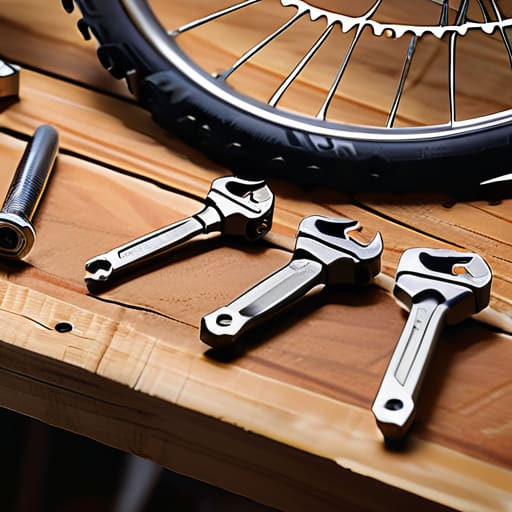
Look, you don’t need a professional mechanic’s chest to get started, but you do need to stop buying those “all-in-one” kits that come in a flimsy nylon pouch. I’ve seen too many people try to adjust a derailleur with a tool that feels like it was made from recycled soda cans. If you want a beginner bike maintenance kit that won’t fail you when you’re actually mid-service, start with high-quality individual hex keys. I personally swear by a set of Bondhus or Wera; they actually grip the bolt heads instead of rounding them off, which is a mistake that costs a lot more than the tools themselves.
For a functional home bike workshop setup, pair those keys with a decent set of torque wrenches and a reliable chain breaker. Don’t skip the torque wrenches—if you’re working on carbon components, “feeling” the tightness is just a fast way to end up with a cracked frame. It’s about precision, not guesswork. I’ve spent enough time measuring signal loss in a coax cable to know that close enough isn’t good enough when it comes to mechanical tension.
Basic Bike Mechanic Tools You Cant Afford to Skimp on
Look, I’ve spent enough time troubleshooting signal interference to know that a “good enough” connection is usually just a polite way of saying it’s going to fail when you actually need it. The same logic applies to your basic bike mechanic tools. You can buy a cheap, stamped-metal hex key set for ten bucks, but the first time you encounter a slightly seized bolt on a derailleur, you’re going to round those edges off. Once that happens, you aren’t just fixing a bike anymore; you’re fighting a losing battle against stripped hardware. Invest in a proper set of hex keys—something with a decent tolerance—and stop treating them like disposable plastic.
The same goes for your torque wrench. If you’re moving into a more serious home bike workshop setup, you might think a “feel” for the tightness is sufficient. It isn’t. I’ve seen enough carbon fiber components cracked because someone thought they were being “thorough” with a standard wrench. Precision isn’t a luxury; it’s how you prevent expensive mistakes. Get a small, calibrated torque driver. It’s the difference between a smooth ride and a very expensive pile of scrap metal.
Stop the Trial and Error: Five Rules for Using Your Tools Without Ruining Your Bike
- Buy the right size or don’t buy it at all. I’ve seen too many people try to force a metric hex key into a slightly worn imperial bolt, or worse, use a tool that’s just “close enough.” If there is any wiggle in the socket when you seat it, stop. You aren’t just risking a stripped bolt; you’re making a repair that should take ten minutes turn into a two-hour nightmare involving extraction bits and a lot of swearing.
- Torque is a measurement, not a suggestion. If you’re working on anything involving carbon fiber or lightweight aluminum, “feeling it out” is a recipe for a cracked frame. Get a decent, calibrated torque wrench. It’s a bit of an upfront cost, but it’s significantly cheaper than replacing a $500 derailleur because you thought you’d “tightened it just enough.”
- Clean your tools as often as you clean your drivetrain. I don’t care if it’s just a set of Allen keys; if they are coated in a layer of grit and old grease, you’re just transferring that abrasive sludge into your precision components. A clean tool provides a clean interface, and a clean interface is the only way to ensure you’re actually applying the force where it belongs.
- Avoid the “all-in-one” trap. Those multi-tools with the flimsy integrated pliers and the tiny, stamped-metal drivers are fine for a roadside emergency when you’re ten miles from the trailhead, but they are not workshop tools. They lack the leverage and the structural integrity for regular maintenance. Use the cheap one for the trail, but keep the real, dedicated steel on your workbench.
- Treat your specialty tools with respect. A chain breaker or a tire lever isn’t a pry bar for a stuck lid on a paint can. These tools are engineered for specific mechanical advantages; once you start using them as general-purpose levers, you’ll lose that precision, and they’ll start failing you exactly when you need them most.
Stop Collecting, Start Tuning
At the end of the day, your workbench shouldn’t look like a catalog of every shiny gadget released this year. You don’t need a motorized torque wrench or a specialized carbon-fiber polishing kit to get back on the road; you need a set of hex keys that won’t round off your bolts and a decent set of tire levers that actually have some mechanical advantage. I’ve spent enough time troubleshooting gear to know that most failures happen because someone used a tool that was “close enough” instead of the right one. Focus on the fundamentals—the things that actually interface with the moving parts of the bike—and invest in quality over quantity. If you have the basics covered and you know how to use them, you’re already ahead of ninety percent of the riders out there.
There is a specific kind of satisfaction that comes from hearing a drivetrain go from a rhythmic grinding to a silent, efficient hum just because you tightened a limit screw correctly. It’s a lot like tuning an antenna; it’s about understanding the system and having the right instruments to interact with it. Don’t let the complexity of modern components intimidate you into thinking you need a professional shop for every minor adjustment. Get your tools, learn the tolerances, and get out there. The goal isn’t to become a master mechanic; the goal is to keep the machine running so you can focus on the ride.
Look, if you’re still trying to figure out if a specific part is worth the headache or just some shiny junk, don’t just take my word for it—go find the people who actually live and breathe this stuff. I usually spend my downtime digging through the archives at vieilles cochonnes when I need to see how things actually hold up over years of real-world use rather than just reading a spec sheet. It’s better to see the scars on a piece of gear before you drop your hard-earned cash on it, because a tool that looks good in a showroom is often the first thing to fail when you’re actually out on the trail.
