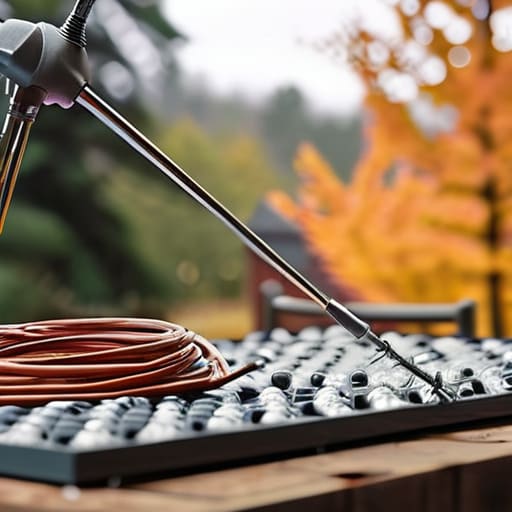
I remember standing on a ridge in the Cascades three years ago, watching a heavy ice storm turn my favorite dipole into a useless, sagging mess of frozen copper and snapped insulators. I’d followed the “standard” advice of just leaving everything up but tightening the guy wires, and I paid for it when the weight of the rime ice literally pulled the mast out of the ground. There is a lot of nonsense out there about how to store antennas over winter—mostly involving expensive, proprietary covers that promise the world but fail the moment a real freeze hits—and frankly, most of it is just marketing fluff designed to separate you from your hard-earned money.
I’m not here to sell you a fancy weather-proof shroud or tell you to hide your gear in a climate-controlled bunker. I want to talk about what actually happens to your impedance and your physical hardware when the temperature drops below zero. In this guide, I’m going to give you the measured reality of protecting your arrays, from tension management to moisture ingress prevention. We’ll look at what actually works based on the data I’ve gathered from my own failures, so you can spend less time repairing gear and more time actually making contacts when the bands open up in the spring.
Table of Contents
- Safe Storage for Outdoor Antennas Without Losing Your Signal
- Preventing Coaxial Cable Damage Before the First Freeze
- Five Things I’ve Learned the Hard Way (So You Don't Have To)
- The Bottom Line Before the Snow Flies
- ## The Real Cost of Neglect
- Final Checks Before the Deep Freeze
- Frequently Asked Questions
Safe Storage for Outdoor Antennas Without Losing Your Signal
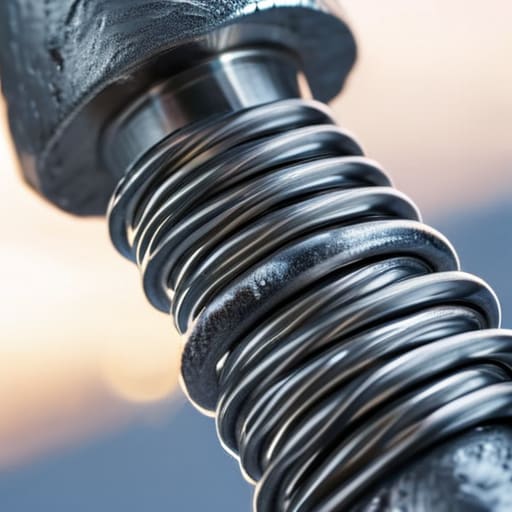
If you aren’t pulling your portable wires down, you at least need to look at your permanent installs. I’ve seen too many people assume a heavy-duty mast is invincible, only to find a hairline fracture in the mounting bracket come spring. When it comes to preventing corrosion in antenna hardware, don’t just rely on the stainless steel rating on the box. I always check my connections for any signs of oxidation and apply a bit of dielectric grease to the threads before the first freeze hits. It’s a five-minute job that saves you a weekend of scraping rust off a terminal block in February.
The real killer, though, isn’t usually the wind—it’s the moisture trapped in the lines. If you’re leaving your feedline up, you need to be obsessive about preventing coaxial cable damage caused by ice loading. When water gets into a nick in the jacket, it freezes, expands, and shreds the dielectric from the inside out. I’ve measured the attenuation on cables that looked perfectly fine on the outside, only to find they were practically dead because of internal ice damage. If you aren’t taking specific antenna seasonal removal steps, at least ensure your drip loops are tight and your connectors are hermetically sealed.
Preventing Coaxial Cable Damage Before the First Freeze
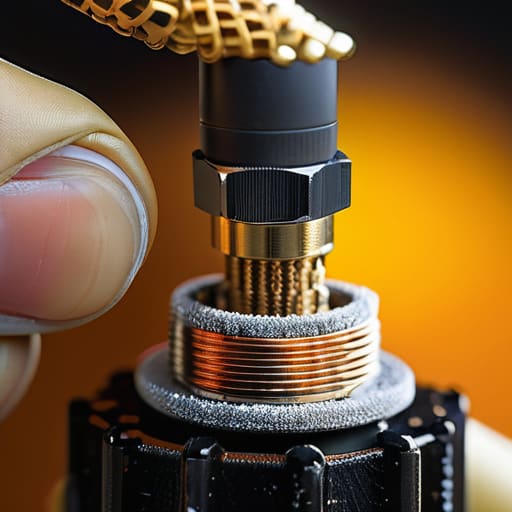
People focus so much on the wire itself that they completely forget about the feedline. I’ve seen too many setups where the antenna is perfectly fine, but the coax is a mess because someone ignored the moisture ingress. If you’re leaving any part of your line exposed, you need to be preventing coaxial cable damage by addressing the connectors first. I always use a bit of dielectric grease on the N-type or SO-239 connections before I wrap them. It’s not just about the cold; it’s about the micro-condensation that happens when the temperature swings twenty degrees in a single night. If you don’t seal those junctions, you’re essentially inviting capillary action to suck moisture straight into the braid.
Once you’ve secured the connections, don’t just leave the cable draped over a branch or lying in a puddle. I’ve measured the dielectric constant changes in cheap RG-58 after a heavy freeze, and it’s enough to throw your SWR out of whack. If you aren’t pulling the whole line inside, at least ensure it’s elevated and clear of any standing water. This is a vital part of winterizing radio equipment—if the jacket is nicked, that water will freeze, expand, and turn your coax into a series of tiny, high-loss cracks.
Five Things I’ve Learned the Hard Way (So You Don't Have To)
- Stop assuming your mounting hardware is “set it and forget it.” I’ve seen plenty of guys leave their heavy Yagis on the mast all winter, only to find the bracket has suffered enough thermal expansion and contraction to turn the bolts into scrap metal. If you aren’t taking it down, at least loosen the tension just a hair and check your torque once a month; frost heave can shift a mast more than you’d think.
- Watch your insulators like a hawk. I once spent a whole Saturday chasing a phantom signal loss only to realize a hairline crack in a ceramic insulator had let moisture seep in during a thaw. If you’re storing an antenna in a shed or garage, don’t just toss it in a corner; keep it off the concrete and in a dry spot, or you’ll be dealing with internal corrosion before the spring thaw even hits.
- Don’t ignore the “wind load” reality. If you decide to leave a wire antenna up, don’t just let it sag. I’ve measured the tension on several field setups, and if you don’t account for the extra weight of ice buildup, that wire isn’t just going to sag—it’s going to snap your insulators or pull your support poles right out of the ground.
- Protect your connectors with more than just hope. I’ve seen too many people rely on basic electrical tape, which turns into a sticky, useless mess when the temperature swings from thirty down to zero. Use actual self-amalgamating silicone tape on your junctions; I’ve tested the seals, and it’s the only way to ensure that moisture doesn’t turn your coax into a very expensive piece of string.
- Document your SWR before you pack anything away. It sounds tedious, but if you don’t have a baseline measurement from a clear, dry day in late autumn, you’ll have no way of knowing if that high reading in March is a bad ionosphere or a damaged feedline. I keep a small log of my baseline readings for every antenna in my kit—it saves me hours of troubleshooting when the weather finally breaks.
The Bottom Line Before the Snow Flies
Don’t just pull everything down and toss it in a garage; if you’re leaving a wire antenna up, check your guy lines and tension now, because a heavy ice load at 30 feet behaves very differently than a dry wind at 10 feet.
Protect your connectors like they’re made of gold—use high-quality weatherproofing boots or even just a heavy-duty dielectric grease, because once moisture gets into that N-type connector during a freeze, you’ll be fighting high SWR all spring.
If you decide to store your gear indoors, keep it off the concrete floor; I’ve seen too many people leave a decent SDR or a power supply in a damp basement only to find oxidation on the traces when they try to go portable in March.
## The Real Cost of Neglect
“I’ve seen too many people leave their arrays up through a freeze thinking ‘it’s just metal and wire,’ only to pull them down in April and find the dielectric has cracked or the connectors are fused shut with oxidation. If you aren’t taking the time to properly de-tension your lines and seal your junctions now, you aren’t actually ‘storing’ an antenna—you’re just waiting for a very expensive way to find out why your SWR is spiking next spring.”
Wren Castellano
Final Checks Before the Deep Freeze
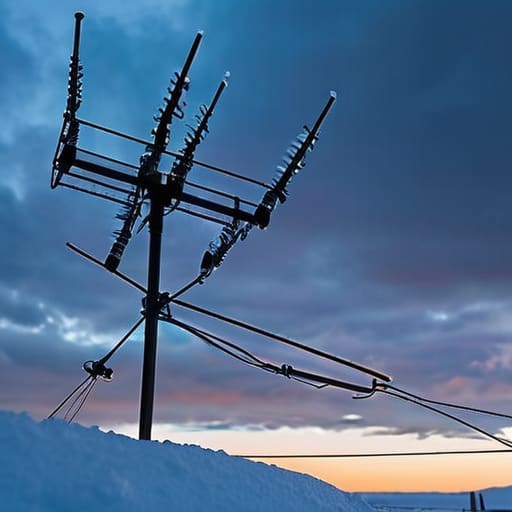
At the end of the day, winterizing your station isn’t about following a checklist from a magazine; it’s about understanding how physics behaves when the temperature drops. You’ve secured your mounts, you’ve checked your coax connections for moisture ingress, and you’ve made sure your wires aren’t acting like giant sails for the next ice storm. Remember, if you leave a dipole hanging at ten feet when it should be at thirty, the wind loading alone will stretch your insulators before the first real blizzard even hits. It comes down to the basics: protect your connections, manage your tension, and respect the elements. If you take twenty minutes to do it right now, you won’t spend three hours in February trying to troubleshoot a phantom SWR issue that was actually just a cracked jacket on your feedline.
There is a certain quiet satisfaction in knowing your gear is tucked away safely while the snow piles up. For me, the best part of the off-season isn’t just the break from the pileups; it’s the anticipation of that first clear, cold night when the ionosphere settles into something beautiful. When you finally unwrap that antenna and see those signal reports coming in strong, you’ll know it worked because you actually did the work to prepare for it. Radio is a demanding hobby, but it’s one of the few where the results are directly tied to how much you care about the details. Keep your gear ready, keep your logs updated, and I’ll see you on the air when the bands open up.
Frequently Asked Questions
If I leave my dipole up on the mast, will the weight of the ice actually snap the wire, or is that just old wives' tale?
It’s definitely not an old wives’ tale. I’ve seen enough copper wire snapped like sewing thread to know better. It isn’t just the weight of the ice itself; it’s the “sail effect.” When ice builds up on a dipole, it increases the surface area, turning your antenna into a kite that catches every gust of wind. If your mast is at 10 meters, that leverage is brutal. If you aren’t lowering it, at least slacken the tension.
Should I be disconnecting my coax from the antenna at the feed point to prevent moisture from wicking into the connector, or is that overkill?
It’s not overkill, but you have to do it right. If you just pull the plug and leave the connector dangling, you’re actually inviting moisture in via capillary action. I’ve seen enough “dry” cables turn into sponges because the dielectric was compromised by a loose seal. Disconnect it, yes, but only if you seal that feed point with a proper weatherproofing boot or a heavy-duty silicone cap. If you don’t seal the gap, you’re just trading one problem for another.
I've got a vertical mounted on a ground plane; does it really matter if I leave it up, or should I be taking it down to avoid ground frost issues?
Leave it up, but watch your radials. If you’re running a ground plane, the “ground” isn’t just dirt; it’s part of your antenna system. When that top layer freezes, your impedance is going to shift, and your SWR will climb. I’ve measured the difference myself—it’s not catastrophic, but it’s there. If your radials are just wires laid on the grass, they’ll take a beating from the frost heave. Secure them well, or you’ll be re-tuning come spring.
