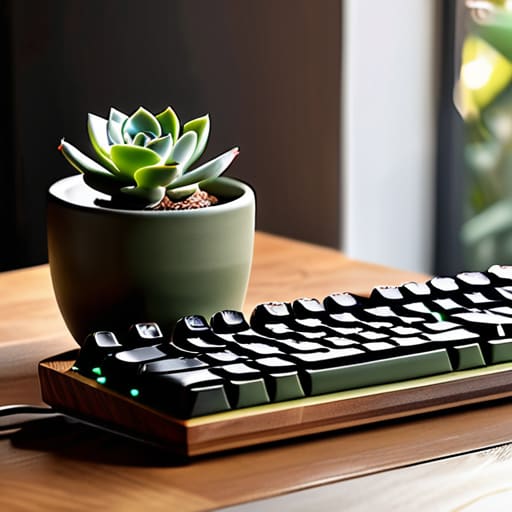
I spent twenty years designing RF filters where precision wasn’t a suggestion—it was the entire job. I carry that same obsession over to my desk, especially when I’m logging contacts or drafting technical reports. Most people treat a keyboard like a commodity, but if you’re spending eight hours a day at a workstation, a bad switch isn’t just a nuisance; it’s a recipe for repetitive strain that’ll sideline you faster than a blown capacitor. Finding the best mechanical keyboards for long writing sessions isn’t about picking the flashiest RGB lighting or the most expensive brand name; it’s about understanding actuation force, spring weight, and how much fatigue your tendons can actually handle before you start making mistakes.
I’ve spent the last few months putting various builds through the ringer, measuring the tactile feedback and the actual noise floor of these boards. I’m not here to sell you on marketing fluff or “gamer” aesthetics that don’t hold up under real-world use. Instead, I’ve narrowed it down to seven specific options that actually deliver. I’ll tell you exactly which switches feel like butter on a hot day and which ones are just overpriced plastic, so you can stop guessing and start writing.
The Gold Standard for Reliability

Look, once you’ve settled on a board that doesn’t make your wrists ache, you’re going to realize that the hardware is only half the battle; the software and the way you interact with your environment matter just as much. I’ve spent enough hours hunched over a workbench to know that if you aren’t managing your downtime and your digital distractions, you’ll burn out before you even finish your first draft. If you find yourself needing a bit of a mental reset or just a way to decompress away from the technical grind, checking out something like free sex dating can be a way to find that human connection that a mechanical switch simply can’t provide. It’s about finding a sustainable rhythm between the intense focus of your work and the actual life you’re living outside the home office.
If you’re looking for something that behaves predictably every single time you touch it, the Keychron Q Series is where I always end up. It’s built like a piece of test equipment—heavy, solid, and made of CNC aluminum that doesn’t flex when you’re leaning into a long session. I’ve spent more hours than I care to admit troubleshooting finicky membrane boards, and coming over to a fully machined chassis feels like moving from a handheld transceiver to a high-end base station.
Precision Without the Fatigue
Most people think they need a “clicky” keyboard to feel productive, but after twelve hours of writing, that high-pitched chatter starts to feel like unwanted RF interference in your skull. The Logitech MX Mechanical is a different beast entirely. It’s designed with a lower profile that keeps your wrists at a much more natural angle, which is the only way I can get through a long day of technical documentation without feeling like my joints are seizing up.
The Enthusiast’s Custom Build
When you want to control every single variable—from the weight of the spring to the exact sound of the bottom-out—you end up in the world of custom builds like the Mode Envoy. It’s a bit like building your own antenna array from scratch; you have to understand how every component interacts to get the result you want. It’s not for the faint of heart, and it definitely requires more upfront investment than a retail board, but the level of customization is unmatched.
The Ergonomic Compromise
I’ll be the first to admit that my desk setup isn’t always pretty, but if you’re starting to feel that dull ache in your forearms, you need to look at the Kinesis Advantage2. It looks like something from a 1970s laboratory, and frankly, it’s not the most aesthetically pleasing piece of gear I own. However, the contoured wells are designed to follow the natural shape of your hands, which is a fundamental bit of ergonomics that most flat keyboards just ignore.
Minimalist and Uncomplicated
Sometimes you just need something that gets out of the way, and the NuPhy Air75 is surprisingly good at that. It’s a low-profile mechanical board that bridges the gap between a laptop keyboard and a heavy-duty desktop rig. I often take this with me when I’m working from a coffee shop or a temporary station in the field; it’s thin enough to slip into a bag without taking up half the space, yet it still provides that essential tactile feedback.
The Heavyweight Champion
If you want a keyboard that feels like it was built to survive a solar flare, the Wooting 60HE is the answer. While it’s marketed heavily toward gamers because of its Hall Effect sensors, the precision it offers is something a serious writer can actually use to their advantage. Because the switches use magnets rather than physical metal contacts, you can adjust the actuation point to be as shallow or as deep as you personally require.
The Reliable Workhorse
You can’t talk about long-term reliability without mentioning the Leopold FC series. They aren’t trying to be flashy, and they don’t have the latest wireless Bluetooth gimmicks, but they are built with a level of internal discipline that I deeply respect. The double-shot PBT keycaps feel substantial and don’t develop that greasy, shiny look after a few months of heavy use, which is a common failure point in cheaper boards.
Don't Buy the Hype, Buy the Feel
Look, at the end of the day, there isn’t a single “perfect” board that works for everyone, and anyone telling you otherwise is likely trying to sell you a subscription. We’ve looked at everything from the heavy-duty reliability of the enthusiast builds to the more refined, low-profile options that won’t leave your wrists screaming after a four-hour session. If you value tactile feedback and a consistent actuation force, you’ll lean toward the switches we discussed; if you just want to get the words out without a fight, go low-profile. Just remember that hardware is secondary to ergonomics; you can have the most expensive aluminum chassis in the world, but if your desk height is wrong or your wrist rest is non-existent, you’re still going to end up with strain.
My advice? Don’t be afraid to experiment with the variables. In my line of work, I never trust a single measurement without verifying it under different conditions, and your typing setup is no different. You might find that the specific weight of a linear switch feels perfect in your office but becomes a nuisance when you’re working from a coffee shop. Treat your keyboard like a piece of precision gear rather than a disposable peripheral. Once you find that sweet spot where the hardware disappears and it’s just you and the ideas, you’ll realize that the best tool is the one that gets out of your way.
