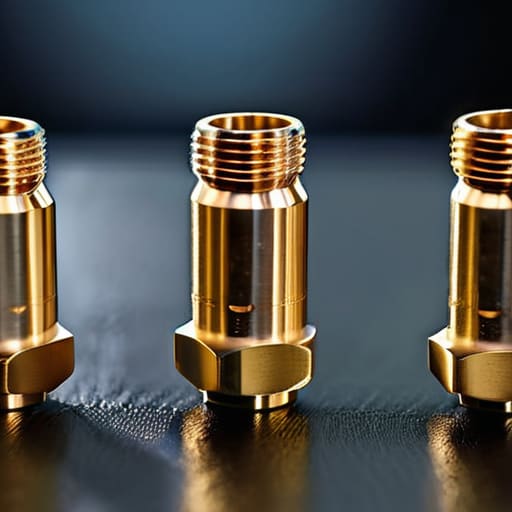
I remember sitting on a damp ridge in the Cascades three years ago, staring at my NanoVNA in total confusion. I had just spent a small fortune on high-grade LMR-400 and a “premium” set of connectors that promised gold-plated perfection, yet my SWR was jumping like a caffeinated rabbit every time a light breeze hit the wire. It turns out, I had fallen for the marketing trap of buying shiny hardware without understanding the mechanical reality of the interface. Most people think learning how to choose coax connectors is just about matching a part number to a datasheet, but if you aren’t looking at the center pin’s structural integrity or the quality of the dielectric crimp, you’re just buying expensive junk that will fail you when the weather turns.
I’m not here to sell you on a specific brand or tell you that more expensive always means better. My goal is to give you the actual, measured truth about what makes a connection stable—from the torque required on a BNC to why certain plating actually accelerates corrosion in salty air. I’ll show you how to spot the cheap shortcuts that manufacturers hide behind polished packaging so you can build a feedline that actually stays tuned.
Table of Contents
- Rf Connector Types and Uses Beyond the Marketing Hype
- The Truth About Frequency Range of Connectors and Real World Performance
- Don't Get Burned: 5 Things I Look For Before I Solder a Single Connection
- The Bottom Line: Don't Let Your Connectors Be the Weakest Link
- The Real Cost of a Cheap Connection
- Stop Settling for "Good Enough"
- Frequently Asked Questions
Rf Connector Types and Uses Beyond the Marketing Hype
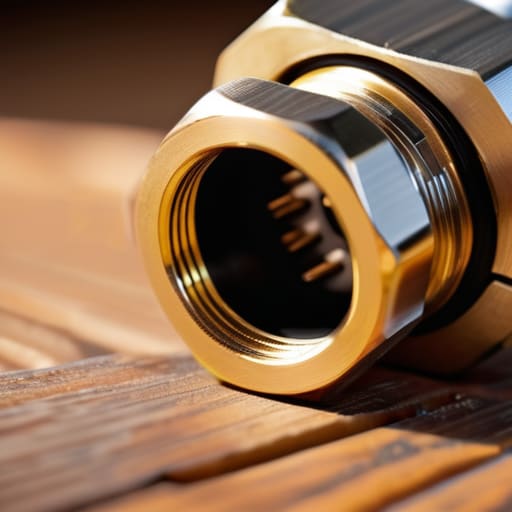
Marketing brochures love to slap a “high performance” sticker on everything, but when you’re actually looking at rf connector types and uses, you have to look past the shiny plating. If you’re working on a high-power HF rig, you aren’t going to touch an SMA; you need the physical beef of an N-type to handle the voltage and the weather. I’ve seen too many people try to bridge that gap with adapters, and every time you add a junction, you’re introducing a potential point for coax connector signal attenuation that wasn’t there before.
Then there is the perennial debate of sma vs n type connector. It isn’t just about size; it’s about the physics of the interface. If you’re building a low-noise preamp for a portable setup, an SMA might be fine, provided you aren’t cranking the gain into a wall of interference. But if you’re running a long feedline to an antenna mounted 15 meters up a tree, you need a connector that won’t vibrate loose or corrode when the humidity hits 90%. Don’t let a cheap, poorly machined thread turn your expensive antenna into a very expensive piece of garden art.
The Truth About Frequency Range of Connectors and Real World Performance
Here is the thing about those spec sheets: they are often written for the best-case scenario in a temperature-controlled lab, not for your setup sitting on a damp ridge in the Highlands. When a manufacturer lists the frequency range of connectors, they are usually telling you the theoretical limit where the connector won’t physically melt or fail. But in the real world, performance starts dropping off long before you hit that number. I’ve seen plenty of “high-frequency” connectors that look great on paper but introduce massive phase shifts or signal loss the moment you move past a few hundred MHz.
If you are working on HF, you might think an SMA is fine, but if you’re pushing into the microwave bands, the difference between an SMA vs N-type connector becomes much more than just physical size. An N-type is built to handle the mechanical stress and the power, whereas a cheap SMA can become a major source of coax connector signal attenuation if the tolerances are even slightly off. I’ve measured setups where switching from a generic connector to a properly rated one dropped the noise floor enough to actually hear a station that was previously buried in the static. Don’t trust the sticker; trust the measurement.
Don't Get Burned: 5 Things I Look For Before I Solder a Single Connection
- Check the plating, not just the name. I’ve seen “gold-plated” connectors that were so thin you could scratch them off with a fingernail; if that plating wears thin from thermal cycling or vibration, your contact resistance climbs and your signal drops. Look for thick, reliable plating if you aren’t planning on replacing the connector every six months.
- Match the dielectric to your actual cable. If you’re running high-quality, low-loss coax like LMR-400 but you force it into a connector designed for a cheap, thin RG-58, you’ve just created a massive impedance mismatch right at the junction. The connector needs to respect the geometry of the cable it’s hugging.
- Beware the “universal” trap. Any salesperson will tell you a connector is “good for everything from DC to 3 GHz,” but if you’re working the 10-meter band or higher, those generic, poorly machined interfaces start to leak RF like a sieve. If you’re operating at higher frequencies, buy a connector specifically rated for that bandwidth, not one that claims to do everything mediocrely.
- Inspect the center pin integrity. This is where most people fail. If the pin is flimsy or the crimp isn’t seated perfectly, your SWR is going to jump every time the wind blows or the temperature shifts. I’ve spent more nights than I care to admit troubleshooting a “broken” antenna only to find a loose, cheap pin at the connector.
- Consider your environment before you buy. If this connector is going on an antenna at 15 meters up a mast, a standard indoor connector is a death sentence. You need weatherproofing—whether that’s a ruggedized housing or a way to properly seal it with self-amalgamating tape—because moisture ingress in a connector is the fastest way to turn your expensive coax into a very long, useless heater.
The Bottom Line: Don't Let Your Connectors Be the Weakest Link
Stop trusting the “frequency range” printed on the packaging; if you’re running high power or working at the edge of a band, check the physical build quality and center pin thickness, because a connector that looks fine on a spec sheet can still turn your signal into heat when the real world hits it.
Match your connector to your actual environment, not your aspirations—if you’re building a permanent shack setup, go for the heavy-duty, gold-plated stuff, but if you’re hauling gear up a ridge for a portable activation, prioritize weatherproofing and mechanical reliability over a fancy brand name.
Always remember that a connector is a component, not just a piece of hardware; if your SWR is jumping around or your signal is dipping unexpectedly, don’t just blame the antenna or the ionosphere until you’ve actually measured the loss across your junctions.
The Real Cost of a Cheap Connection
“I’ve seen plenty of guys spend three grand on a high-end transceiver only to choke their signal with a twenty-cent connector that has a loose center pin and a plating job thinner than a sheet of foil. If you aren’t measuring the return loss at the connection point, you aren’t actually seeing your rig’s performance—you’re just seeing how much power your cheap coax can leak before the wind catches it.”
Wren Castellano
Stop Settling for "Good Enough"
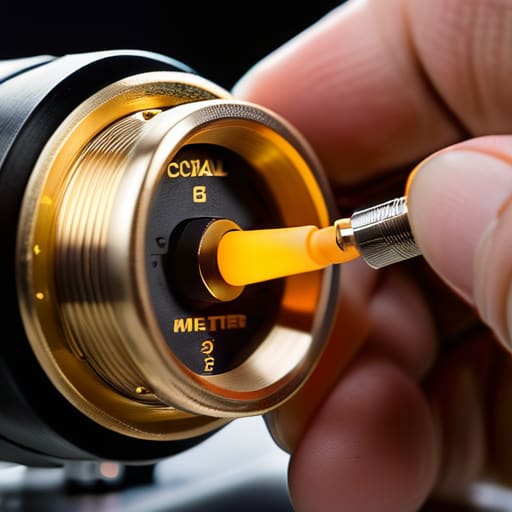
At the end of the day, choosing a connector isn’t about matching a spec sheet to your budget; it’s about understanding where your signal is actually going. I’ve spent far too many evenings on a ridge, staring at a high SWR reading, only to realize I’d saved five dollars by using a connector with a flimsy center pin that couldn’t handle the torque. Remember that the frequency rating on the box is a laboratory ideal, not a guarantee for your specific setup. If you are running high-power HF, don’t let a cheap, poorly plated BNC be your weak link, and if you are working high-frequency VHF or UHF, ensure your dielectric isn’t going to turn into a mess the moment the sun hits it. Measure your loss, check your mechanical fit, and don’t trust a connection just because it looks shiny.
Radio is one of the few places left where the physics doesn’t care about your marketing budget or how much you paid for your transceiver. If your connections are sloppy, the physics will find them, and it will tell you through a noisy signal or a failed contact. But when you get it right—when you have a solid, well-seated, high-quality connection—the hardware finally disappears. You stop thinking about impedance matching and start thinking about the person on the other side of the band. Build it to last, build it to be measured, and then get out there and see who you can reach.
Frequently Asked Questions
I’ve seen people use PL-259s for everything from HF to VHF; at what point does the physical construction actually start causing measurable signal loss or noise?
Look, if you’re just working 40 meters with a wire antenna, a PL-259 isn’t going to ruin your life. But once you move up into the VHF/UHF range or start using high-gain antennas, the physics change. Those old SO-239 interfaces are mechanically loose; that tiny bit of play creates a capacitive gap. I’ve measured significant VSWR spikes just from a connector that wasn’t seated tight. If you’re chasing signal on higher bands, stop using them.
If I'm building a portable rig for a hilltop setup, should I prioritize the ruggedness of a threaded connector or the ease of a quick-disconnect, and how much does that choice impact my SWR stability in the wind?
If you’re hiking up a ridge, don’t sacrifice stability for convenience. I’ve been there—trying to swap a quick-disconnect in a gale only to have the connection wiggle just enough to send my SWR spiking. For a hilltop rig, stick to threaded connectors. They provide the mechanical compression you need to keep the impedance consistent when the wind starts tugging at your coax. A quick-disconnect is fine for a desk, but out in the elements, stability wins.
How much does the quality of the plating on the center pin actually matter when I'm measuring performance, or is it just something manufacturers use to justify a higher price tag?
It matters more than the sales brochure suggests. If you’re running a low-power QRP rig, you might get away with cheap plating, but once you start pushing real current, that thin layer of silver or gold wears thin. If the base metal—usually brass or copper—starts oxidizing, your contact resistance climbs. I’ve seen SWR drift just because a cheap connector started corroding in the humidity. Don’t skimp here; a solid pin is the foundation of your signal path.
