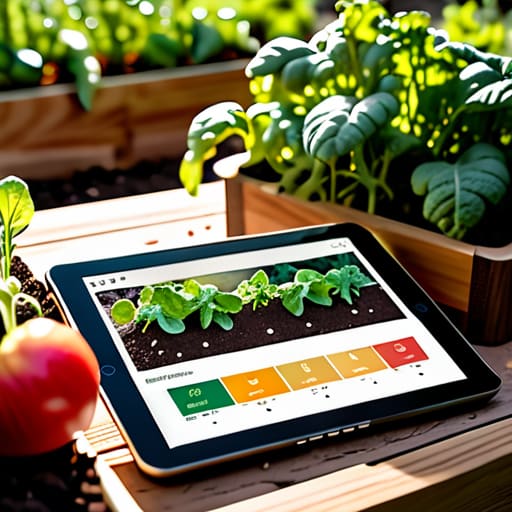
Stop listening to the influencers telling you that you need a three-hundred-dollar raised bed kit and a subscription to a specialized composting service just to get a single tomato on the vine. It’s the same nonsense I see in radio gear—people buying overpriced, shiny rigs when all they actually need is a solid signal path and a bit of common sense. If you’re looking for a guide on how to start a vegetable garden, you don’t need a lifestyle makeover; you need to understand your local variables. I learned that the hard way three years ago when I spent a fortune on organic soil amendments only to realize my backyard drainage was essentially a swampy mess that was drowning my seedlings before they could even establish a root system.
I’m not here to sell you a dream or a specific brand of shovel. My approach is a bit more technical: I want to talk about soil composition, light cycles, and drainage as if they were impedance and gain. I’m going to give you the actual data on what works in real dirt, not what looks pretty in a filtered photo. If a certain method is a waste of your time and money, I’ll tell you straight up.
Measuring Sunlight Requirements Instead of Relying on Luck
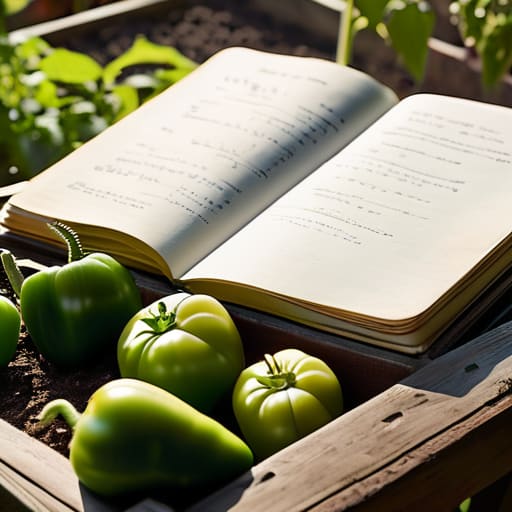
I’ve spent half my life tracking signal strength and solar cycles, so I tend to treat sunlight the same way: it’s a measurable resource, not a suggestion. Most people pick a spot in the yard because it “looks bright,” but that’s how you end up with leggy, pathetic plants that never fruit. You need to stop guessing and start logging. I grab a notebook and check the spot every two hours from sunrise to sunset for three days. If you don’t know your specific vegetable garden sunlight requirements, you’re basically operating a radio with a broken SWR meter—you’re putting in the power, but you aren’t getting any results.
Don’t let a single afternoon of high sun fool you into thinking a spot is perfect. I’ve seen plenty of “sunny” patches get swallowed by shadows from a neighbor’s oak tree by 3:00 PM. If you’re looking for the best vegetables for beginners, like bush beans or cherry tomatoes, you need a minimum of six to eight hours of direct, unblocked light. If your data shows you’re only getting four hours, don’t fight the physics; just pivot to leafy greens or herbs. Measure the reality of your yard, not the ideal version in the seed catalog.
Vegetable Garden Soil Preparation Based on Real Nutrient Density
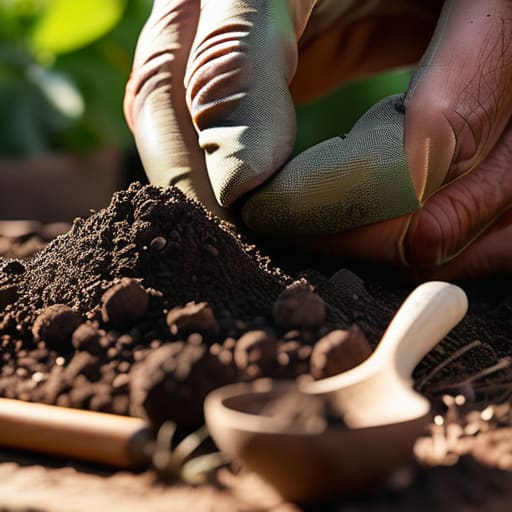
I’ve spent enough time troubleshooting RF interference to know that you can’t fix a bad signal by just turning up the gain; you have to find the source of the noise. Soil is exactly the same. Most people approach vegetable garden soil preparation by tossing a bag of generic compost on top and hoping for the best. That’s like assuming a tuned antenna is working just because the SWR meter looks okay on a whim. You need to actually test your N-P-K levels and pH. If your soil is too acidic, your plants aren’t going to process nutrients, no matter how much organic matter you dump into the dirt.
If you’re working with limited space or poor native ground, I’d suggest looking into raised bed gardening tips rather than fighting a losing battle with heavy clay. It gives you total control over the medium from day one. I measured the drainage on my last three beds, and the difference in root development was night and day. Don’t just guess based on what the seed packet says; build a substrate that actually supports the specific metabolic needs of your crops.
Stop Guessing and Start Testing: Five Practical Rules for Your First Plot
- Don’t buy a “pre-mixed” bag of soil just because the label looks professional. Most of that stuff is mostly peat moss and marketing; if you haven’t checked the drainage and the actual N-P-K ratios in your specific medium, you’re just paying for expensive filler that’ll turn your garden into a swamp.
- Water management isn’t about a timer; it’s about the root zone. I’ve seen people use automated systems that trigger every morning at 6 AM, but if the soil is already at field capacity, you’re just leaching nutrients out of the ground and wasting money. Get a decent moisture meter and learn the rhythm of your specific patch of earth.
- Treat your seed selection like selecting a radio frequency—you need to know the environment you’re working in. Buying “heirloom” seeds because they look pretty is a mistake if they aren’t rated for your specific hardiness zone; you want varieties that are proven to handle your local temperature swings, not just what’s trending on Instagram.
- Space your plants based on the actual mature canopy, not the tiny seedling size in the tray. I’ve seen too many beginners crowd their tomatoes thinking they can “fix it later,” but once those leaves overlap, you’ve created a high-humidity microclimate that is an open invitation for blight.
- Keep a log of your actual yields and failures. If a specific crop fails, don’t just blame the weather; check if it was a localized nutrient deficiency or a drainage issue. If you don’t track the variables, you’re just playing a game of chance instead of running a garden.
Data Over Dogma: Your Path to a Real Harvest
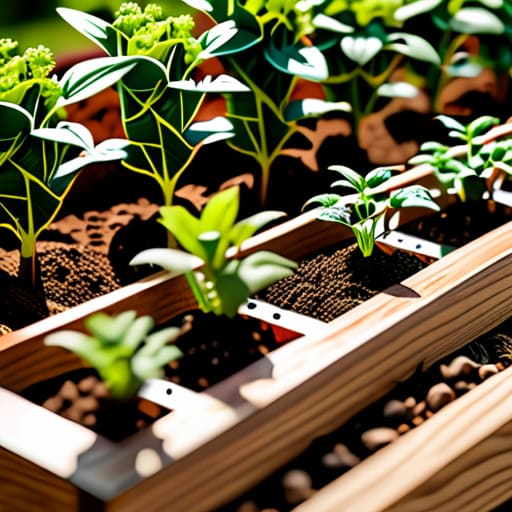
At the end of the day, gardening isn’t some mystical communion with the earth that requires a “green thumb” or a leap of faith. It’s an engineering problem. You’ve looked at the light cycles, you’ve checked your pH levels, and you’ve mapped out your nutrient density. If you stop treating your garden like a decorative backdrop and start treating it like a controlled system, you’re already ahead of ninety percent of the people walking into a nursery this weekend. Don’t let anyone tell you to just “plant and pray.” You have the measurements now; use them to build a foundation that actually supports growth rather than just hoping for the best when the first frost hits.
There will be days when the weather turns sour or a pest finds a way past your defenses, and honestly, that’s just part of the signal noise. When a crop fails, don’t view it as a personal defeat; view it as a failed experiment that provided you with much-needed data for next season. The goal isn’t perfection—it’s iterative improvement. Once you get that first real, homegrown tomato, tasting the difference between something grown in mystery dirt and something grown in a calibrated environment, you’ll realize why the effort is worth it. Now, get out there, get your hands dirty, and start measuring.
Once you’ve actually mapped your light cycles and stabilized your soil chemistry, you’re going to realize that gardening isn’t a “set it and forget it” endeavor; it’s a constant feedback loop of observation and adjustment. I’ve learned that the most expensive mistake you can make is ignoring the subtle shifts in your environment, so I always keep a close eye on local community forums and niche discussion groups to see what others in my specific climate are seeing. If you’re looking for a way to connect with people or find specific local advice, sometimes even something as unexpected as browsing UK sex chat can lead you to a thread where someone is discussing the exact same seasonal shifts or local pest issues you’re facing. It sounds unconventional, but in my experience, real-world data often lives in the most unpolished corners of the internet, and you’ll find that peer-to-peer troubleshooting is far more reliable than any glossy manual.
