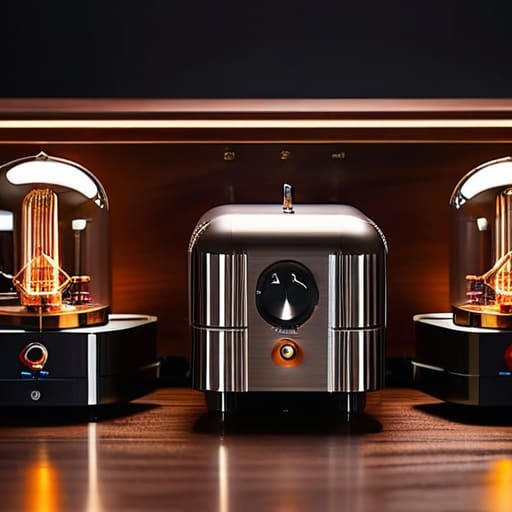
I remember sitting in a cramped workshop back in the late nineties, staring at a vintage tube amp that a guy was trying to sell me for more than my first car. He kept talking about “harmonic richness” and “soul,” but all I could see were leaking capacitors and a transformer that looked like it had been through a war. It’s the same dance I see every day on the swap meets and auction sites: people slapping a “collector’s item” label on gear that hasn’t seen a clean workbench in a decade. If you’re staring at a listing and wondering what is an amplifier worth, you need to stop listening to the adjectives and start looking at the actual components.
I’m not here to give you a sales pitch or tell you that every piece of gear with a glowing vacuum tube is a goldmine. I’m going to give you the math and the reality. We are going to look at component health, power output under real loads, and why that “vintage” badge often just means you’re paying a premium for obsolete engineering. By the time we’re done, you’ll know exactly how to spot a bargain and, more importantly, how to avoid paying a “nostalgia tax” on something that’s destined for the scrap heap.
Table of Contents
Decoding Real Audio Amplifier Resale Value vs Internet Myth
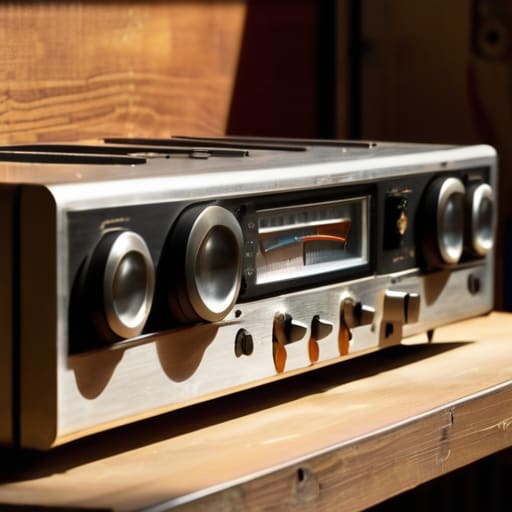
If you spend ten minutes on any major auction site, you’ll see people asking astronomical prices for gear that hasn’t been serviced since the Reagan administration. This is where the “internet myth” takes hold: the idea that a piece of gear is inherently valuable just because it has a certain brand name on the faceplate. In reality, vintage amplifier market trends are often driven by nostalgia rather than actual performance. I’ve seen “collector grade” units go for three times their actual utility because someone wrote a glowing review on a forum in 2004.
To get a real sense of determining audio equipment worth, you have to look past the patina and the heavy chassis. I always check the internal guts first. A unit with original, leaking electrolytic capacitors might look beautiful on a shelf, but it’s a liability, not a high-end audio investment. If the amplifier component quality has been compromised by sloppy repairs or cheap modern replacements, that “investment” value evaporates the moment you plug it in. Real value is found in the intersection of a solid build and a documented service history, not in a high starting bid on an unverified listing.
Why High End Audio Investment Often Fails the Measurement Test
The problem with the “high-end” label is that it’s often used as a shield against actual scrutiny. I’ve sat at a workbench with a spectrum analyzer and a signal generator, looking at gear that carries a five-figure price tag, only to find that the amplifier component quality is barely better than something you’d find in a mid-range consumer unit. People buy into the prestige of a brand name, thinking they are securing a stable high-end audio investment, but they often forget that prestige doesn’t hold up under a thermal stress test or a rigorous measurement of Total Harmonic Distortion.
In my experience, the gap between marketing hype and actual performance is where most people lose their shirts. You see these massive vintage amplifier market trends driving prices into the stratosphere for units that haven’t been serviced in thirty years. If you aren’t looking at the electrolytic capacitors or the state of the output transistors, you aren’t investing; you’re gambling. True value lies in the engineering tolerances, not in how heavy the transformer is or how much gold plating is on the input jacks.
Five Ways to Spot a Bargain (and Avoid a Paperweight)
- Ignore the “Vintage” Label: A piece of gear from 1974 isn’t valuable just because it’s old. If the electrolytic capacitors have leaked or the output transistors are original and brittle, you aren’t buying a classic; you’re buying a weekend of soldering and a potential fire hazard. Factor the cost of a full recap into your offer immediately.
- The Measurement Reality Check: If a seller claims an amplifier is “audiophile grade” but can’t provide a THD (Total Harmonic Distortion) spec or a signal-to-noise ratio, they’re selling you an emotion, not a component. I’d rather buy a mid-range unit with a documented, clean power supply than a “boutique” rig that sounds great in a showroom but falls apart under a real load.
- Check the Terminals, Not Just the Faceplate: I’ve seen plenty of beautiful brushed-aluminum chassis that hide oxidized, corroded binding posts or cracked PCB traces near the heat sinks. If the knobs feel gritty or the output terminals look like they’ve been through a salt marsh, walk away—that’s more work than the discount is worth.
- Scrutinize the “Proven” Models: Some amplifiers hold their value because they are industry standards, like certain old Brytons or Marantz units. But be careful: because they are “safe” buys, the resale price is often artificially inflated. If the asking price is within 15% of a mint-condition unit with a warranty, save your money and buy something newer with actual headroom.
- Account for the “Good Mood” Variable: Just like a DX contact that only happens when the sun hits the ionosphere just right, a used amplifier might sound perfect during a five-minute test in a seller’s living room. If you can’t test it under load, assume the thermal stability is a question mark and deduct at least 20% from your maximum bid to cover the risk.
The Bottom Line: Don't Buy the Hype
Stop equating “vintage” with “valuable”; unless you have a service history or a measurement showing the THD isn’t spiking, you’re just buying an expensive paperweight that’s going to leak DC into your speakers.
If the price tag is driven by a brand name rather than the actual component quality or the spec sheet, you’re paying a premium for a logo, not for better fidelity.
Always prioritize the condition of the internals over the shine of the chassis; a mint-looking unit with dried-out electrolytic capacitors is a liability, not an investment.
## The Real Cost of "Vintage"
Stop looking at the patina on the chassis or the name on the faceplate to determine value; if you aren’t checking the ESR on the electrolytic caps and measuring the THD under load, you aren’t buying a piece of high-fidelity history—you’re just buying an expensive, unmeasured liability.
Wren Castellano
The Bottom Line on Your Gear
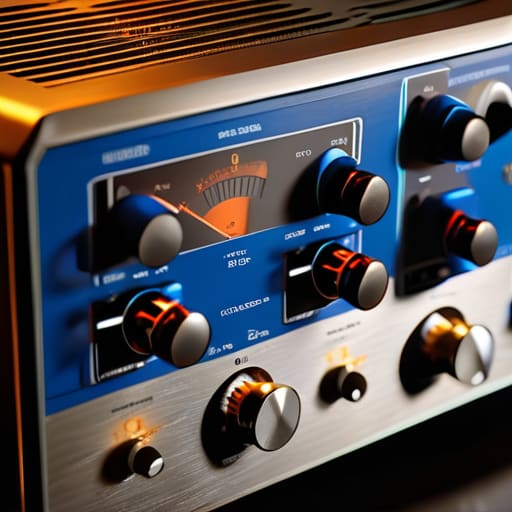
At the end of the day, determining what an amplifier is worth requires you to look past the brand name and the polished wood veneer. We’ve looked at how resale value is often decoupled from actual performance, and why a high price tag rarely correlates with better THD or power delivery. If you aren’t checking the service history or verifying the specs against a real measurement, you’re essentially gambling. Remember: a vintage tube amp might be a masterpiece, but if it hasn’t been serviced in thirty years, its value is largely theoretical until you factor in the cost of a technician. Don’t let the “collector” label trick you into paying for nostalgia instead of engineering.
I know the allure of the “holy grail” piece of gear is strong—I’ve chased my fair share of them up steep hills and through dusty flea markets. But the real joy of this hobby isn’t in owning an expensive trophy that sits on a shelf; it’s in the signal actually hitting the speaker. Whether you’re driving a high-impedance load or just listening to a local broadcast, the best gear is the stuff that works reliably when you need it to. Focus on the measurable performance and the build quality, and you’ll find that the most valuable piece of equipment is the one that actually lets you hear the music.
Frequently Asked Questions
If the specs on the box look incredible, how do I know if I'm paying for actual performance or just a well-designed faceplate?
Look, a spec sheet is just a promise, not a guarantee. I’ve seen rigs with “unbelievable” THD numbers that fall apart the second you load a real antenna. If you want to know if you’re buying performance or just a pretty faceplate, stop reading the brochure and start looking for third-party bench tests. If they aren’t showing you the noise floor or the transient response under load, they’re selling you marketing, not engineering.
Is it actually worth hunting down vintage gear, or am I just paying a premium for "nostalgia" that doesn't show up on a scope?
Look, if you’re chasing a specific sound profile that only a certain transformer topology can deliver, then yes, hunt it down. But if you’re buying a piece of gear just because it looks good on a wooden shelf, you’re paying a nostalgia tax. I’ve put vintage iron on the scope; sometimes the THD is beautiful, but more often, you’re just paying for aged capacitors and a high failure rate. Buy for the specs, not the sentiment.
When a seller claims an amplifier is "mint condition," what specific red flags should I be looking for to see if they're lying?
“Mint” is a marketing term, not a technical one. If they can’t show you a photo of the underside—specifically the heat sinks and the terminal posts—they’re hiding something. Look for discoloration on the chassis; that’s a sign of heat soak from overworked components, regardless of how shiny the faceplate is. Also, if they say “it works perfectly” but won’t let you test the DC offset or noise floor, they’re selling you a pretty box, not a reliable piece of gear.
