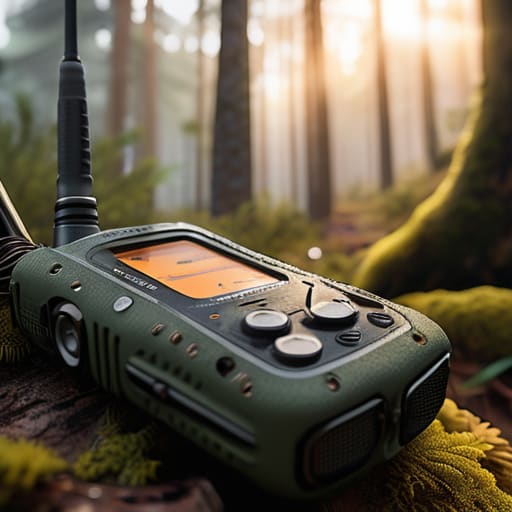
I spent three hours last Tuesday hiking up a ridge in the Cascades, only to realize my setup was practically useless because I’d listened to a forum post claiming I could run APRS from a handheld tucked inside a heavy canvas pack. If you’re trying to figure out how to use aprs effectively, stop looking for a magic software setting or a high-priced proprietary gadget to do the heavy lifting for you. The reality is much more grounded—and much more frustrating—than the marketing brochures suggest. Most people treat digital packets like they’re magic, but if your antenna is buried under a layer of nylon and sitting two feet off the ground, you aren’t transmitting data; you’re just generating heat.
In this guide, I’m going to skip the fluff and tell you how this actually works when you’re out in the field. I’ll show you the specific hardware combinations that don’t fail when the weather turns, and more importantly, I’ll explain why antenna height and placement are the only two metrics that actually matter when your packet won’t clear the treeline. I’ve measured the signal drop-offs, I’ve dealt with the interference, and I promise to give you the unvarnished truth about what it takes to get your station online.
Table of Contents
- Mastering Aprs Frequency Settings and Packet Radio Protocols
- The Truth About Aprs Pager and Mobile Stations
- Five Ways to Stop Shouting Into the Void and Actually Get Your Packets Through
- The Bottom Line on Making APRS Actually Work
- The Height Reality Check
- Getting Out of the Shack and Into the Field
- Frequently Asked Questions
Mastering Aprs Frequency Settings and Packet Radio Protocols
Look, you can have the most expensive handheld on the market, but if your aprs frequency settings are off by even a fraction of a kilohertz, you’re essentially just broadcasting white noise. Most people think you just plug it in and go, but you need to be precise about your offset and your frequency selection. If you’re running a mobile setup, you’re usually looking at 144.390 MHz in North America, but don’t assume your local repeater is the only game in town. I’ve spent many afternoons scanning for local nodes just to see which ones actually have the backbone to handle a decent traffic load.
When you move into the actual packet radio protocols, things get a bit more granular. It isn’t just about sending data; it’s about how that data is framed and timed. If your timing is sloppy, your packets will collide, and you’ll spend your whole session watching your signal fail to clear the buffer. Whether you are configuring aprs software setup on a laptop or trying to squeeze a signal out of a handheld, remember that the protocol expects discipline. If your baud rate isn’t matched perfectly to your hardware’s capability, you aren’t tracking; you’re just wasting battery.
The Truth About Aprs Pager and Mobile Stations
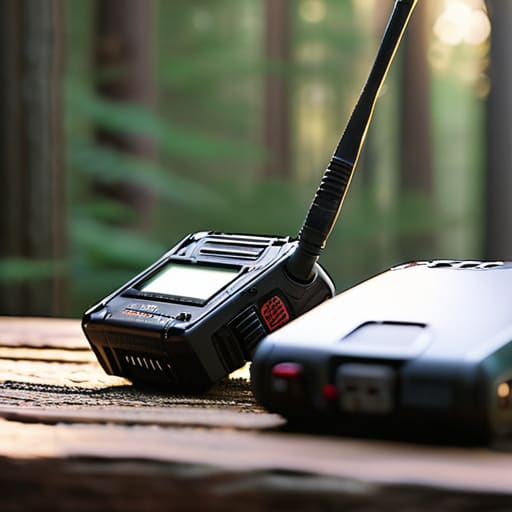
Most people get caught up in the software side of things, but they forget that the hardware is what actually pushes the data through the air. When we talk about aprs pager and mobile stations, there is a massive difference in how they behave in the real world. A pager is a low-power, “listen-and-wait” device; it’s fine for checking in if you’re sitting near a digipeater, but don’t expect it to punch through a dense canopy. On the other hand, a mobile station in a vehicle has the luxury of a decent ground plane and a much higher duty cycle. If you’re trying to achieve reliable tracking via amateur radio, you really need to think about your antenna’s placement relative to the vehicle’s roofline.
I’ve seen plenty of folks struggle with mobile setups because they treat it like a desktop rig. If your antenna is mounted low or tucked behind a pillar, your packet loss will skyrocket regardless of your software settings. I ran a test last month with a mobile rig mounted at 5 feet above the ground versus a handheld at waist height; the difference in successful packet transmission wasn’t just marginal, it was transformative. If you want your station to actually contribute to the network rather than just being noise, get that mobile antenna up where it can actually see the horizon.
Five Ways to Stop Shouting Into the Void and Actually Get Your Packets Through
- Height is your best friend, and your worst enemy if you’re lazy. If you’re running APRS from a handheld in your pocket, you aren’t “operating,” you’re just wasting battery. Get that antenna at least 10 feet off the ground—ideally much higher if you’re in a valley—or your signal is going to spend more time fighting the dirt than it is talking to the digipeaters.
- Stop assuming every digipeater is a magic portal. I’ve spent too many afternoons watching a signal strength meter climb only to realize the local repeater is stuck in a loop or buried under a layer of interference. Check your local APRS map first; if you’re in a dead zone, no amount of fancy software is going to fix the physics of your location.
- Watch your packet timing. If you’re trying to burst out a massive amount of data all at once, you’re going to collide with someone else’s signal or get timed out by the gateway. I prefer small, frequent updates. It’s better to send a clean, short packet every five minutes than to try and shove a data-heavy mess through a noisy channel every thirty.
- Don’t trust your GPS blindly. If you’re operating in a canyon or under heavy tree canopy, your NMEA data is going to drift, and your APRS position will look like you’re driving through a lake. If the position looks jumpy on the map, stop sending updates until you have a solid lock, or you’ll just be cluttering the frequency with garbage data.
- Keep your hardware simple. You don’t need a $500 SDR setup to move a few bytes of location data. A decent dual-band handheld with a tuned, high-gain antenna is more than enough. I’ve seen people spend a fortune on “optimized” mobile rigs only to realize they were using a rubber duck antenna that was essentially a glorified paperweight.
The Bottom Line on Making APRS Actually Work
Stop assuming your signal is the problem when it’s actually your height; if your antenna is sitting on a tabletop or tucked inside a car window, you aren’t “communicating,” you’re just wasting battery.
Don’t get blinded by the shiny new gear—a well-tuned, properly mounted mobile station will outperform a high-end handheld every single time because of the power and the antenna placement.
Accept that APRS is a game of physics and luck; you can optimize your protocols and your frequency settings all day, but if the terrain is blocking you or the local digipeaters are slammed, you’re going to have to wait for a better window.
The Height Reality Check
Everyone wants to talk about the protocol and the software, but if you’re trying to push APRS packets through a dense canopy from a handheld at waist height, you aren’t communicating—you’re just wasting battery. If you want your position to actually show up on the map instead of just drifting in digital limbo, get that antenna at least fifteen feet up; otherwise, you’re just hoping the ionosphere or a lucky skip does the heavy lifting for you.
Wren Castellano
Getting Out of the Shack and Into the Field
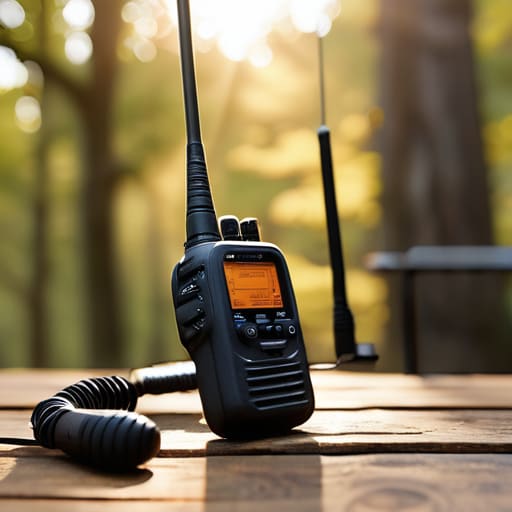
At the end of the day, getting APRS to work isn’t about having the most expensive mobile rig or the fanciest software interface; it’s about understanding the physics of your specific environment. You can have the perfect frequency settings and a solid packet protocol, but if you’re running a rubber duck antenna inside a metal vehicle parked under a canopy of oaks, you’re just burning battery for nothing. Remember that height is your best friend—get that antenna up, clear the local obstructions, and don’t be afraid to measure your signal strength in different spots rather than assuming one location is a magic fix. If your packets aren’t clearing, it’s likely a practical issue with your placement or your antenna’s ground plane, not a mystery of the universe.
There is something deeply satisfying about seeing your little digital footprint appear on a map, knowing it traveled through the air via a protocol you configured yourself. It connects you to a wider network of operators and emergency services in a way that feels much more tangible than just scrolling through a web browser. So, grab your gear, find a spot with a decent view of the horizon, and start transmitting. Don’t worry if your first few attempts are a bit messy; radio is a learning process, and the best way to master it is to get out there and actually use it.
Frequently Asked Questions
I’ve got a decent handheld, but will I actually see anything on the map if I’m running a wire antenna at 15 feet in a suburban backyard?
At 15 feet in a suburban backyard, you’re fighting a losing battle against the ground plane and your neighbors’ rooftops. You might see a few local packets if the wind is right, but don’t expect a robust map presence. If you want that handheld to actually clear the local clutter and hit the digipeaters, you need to get that wire up to at least 30 feet. Otherwise, you’re just wasting battery shouting into the dirt.
Is it worth spending the extra money on a dedicated APRS tracker, or can I just get a reliable signal using a cheap Baofeng and a mobile rig?
Look, if you’re just trying to see if your local repeater is alive, a Baofeng will get the job done—provided you have a decent antenna. But if you actually want to track a moving vehicle or a hike, don’t waste your money on a cheap handheld. The latency and duty cycle on those budget rigs will drive you mad. Get a dedicated tracker; it’s built for the constant packet stream, whereas a handheld is just a radio trying to do math it wasn’t designed for.
When the weather turns or the ionosphere is acting up, how much of my missing data is actually my equipment's fault versus just bad luck?
Look, if your packets are dropping, don’t immediately blame your coax. If you’re operating on 144.390 MHz and the signal just vanishes, check your antenna height first. If you’re sitting in a valley with a low-mounted whip, you’re fighting physics, not gear. But if your SWR is rock solid and you’re still seeing gaps during a solar storm or heavy precipitation, that’s just the universe telling you to go grab a coffee and wait for the ionosphere to settle.
