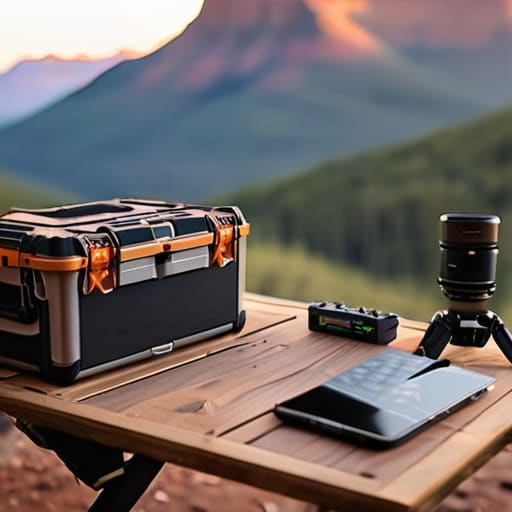
Stop listening to the gear catalogs that claim you need a three-thousand-dollar carbon-fiber tripod and a satellite uplink to have a successful outing. Most of that “must-have” kit is just expensive weight that’ll end up sitting in your garage because it’s too heavy to actually carry up a ridge. I’ve seen too many folks spend a fortune on shiny new rigs only to realize they have no idea how to plan a portable operation that actually accounts for the ground beneath their feet. If you’re more focused on the brand name of your transceiver than the impedance of the soil or the actual height of your wire, you aren’t planning an operation—you’re just packing a heavy bag for a very expensive hike.
I’m not here to sell you on a lifestyle or a specific brand of overpriced battery pack. Instead, I’m going to give you the actual math and the field-tested reality of what works when you’re miles from a power outlet. I’ll show you how I calculate my antenna height relative to the terrain, which lightweight setups actually hold an SWR under wind load, and how to read the ionosphere so you aren’t wasting your daylight chasing dead bands. This is about building a setup that works because you measured it, not because you got lucky.
Table of Contents
Real World Logistics for Mobile Units Beyond the Spec Sheet

Manufacturers love to give you a weight and a dimension, but they never tell you how much it actually feels like to carry that gear up a 30-degree incline in the rain. When I’m working on my remote site deployment strategy, I don’t look at the spec sheet; I look at my own back and the capacity of my pack. If a radio says it’s “ultra-portable” but requires three different proprietary cables and a specific battery adapter just to get a carrier, it isn’t portable—it’s a liability. I’ve learned the hard way that your true weight is the gear plus the extra water, the spare fuses, and the heavy-duty tripod you forgot you needed.
Effective field operations management means planning for the failure of the things you thought were “ruggedized.” I don’t trust a single point of failure, especially when I’m miles from the nearest road. I always carry a manual way to tune my antenna, even if I have a digital analyzer in my kit. If the battery dies or the software glitches, you need to be able to troubleshoot with copper, solder, and basic physics.
Mobile Infrastructure Requirements for Consistent Signal Strength
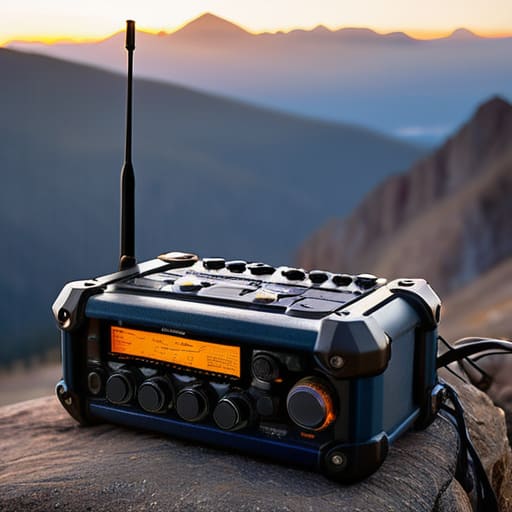
When people talk about mobile infrastructure requirements, they usually focus on the radio itself, but they forget that a radio is just a very expensive paperweight without a stable power envelope. I’ve sat on too many ridges watching a high-end transceiver choke because someone thought a cheap, unrated power bank would suffice for a four-hour session. If you’re serious about a remote site deployment strategy, you need to calculate your actual draw under load—not just idle—and factor in the temperature drop. I always carry a dedicated LiFePO4 battery with a regulated output; it’s heavier, but it doesn’t sag when the sun goes down and the voltage starts to dive.
Your connection stability is also entirely dependent on how you manage your cabling and grounding in the field. I’ve seen plenty of “portable” setups fail because the user didn’t account for the impedance mismatch caused by long, thin, unshielded runs of cheap coax snaking through a damp campsite. For a reliable portable equipment setup, use high-quality, low-loss coax and keep your runs as short as the terrain allows. If you’re trying to maintain a consistent signal, don’t let a $5 cable be the reason you’re missing the window.
Five Hard Truths for Your Field Kit
- Stop ignoring the ground plane. If you’re running a vertical and you don’t have at least four radial wires splayed out at 120 degrees, or a decent ground stake, your SWR is going to be a nightmare regardless of what the manual says. I’ve measured the difference between a “bare wire” setup and a proper radial system, and it’s the difference between a signal that reaches the next county and one that just heats up your coax.
- Weight is a lie; volume is the real enemy. You’ll tell yourself you can carry that heavy lead-acid battery because it’s cheap, but once you’re halfway up a ridge with a 40-foot pole and a tripod, you’ll regret it. I plan my packs based on cubic inches, not just pounds, because if your gear doesn’t fit in the bag, you aren’t going to the hill.
- Always carry a dedicated, manual SWR meter, even if your SDR setup has a built-in analyzer. Software is great until the battery gets low or the processor starts struggling with the noise floor. I’ve had more than one session where the digital readout looked fine, but a manual meter showed a massive standing wave that was about to cook my final transistors.
- Pack for the weather you’ll actually have, not the weather you saw on your phone this morning. I’ve learned the hard way that “partly cloudy” usually means “sudden downpour” when you’re sitting in a valley. If your connections aren’t weather-sealed with some decent self-amalgamating tape, you’re just asking for a short circuit.
- Respect the antenna height—it is not a suggestion. You can have the most expensive transceiver on the market, but if you’re running a dipole at 10 feet off the ground in a treeline, you aren’t going to make any DX. I don’t even bother setting up unless I can get my primary element at least 20 feet up; otherwise, I’m just wasting my time and my battery life.
The Bottom Line Before You Pack the Bag
Stop trusting the manufacturer’s battery life estimates; if you’re running a high-duty cycle on a transceiver in the field, bring enough capacity to cover 150% of what the spec sheet says, or you’ll be sitting in the dark halfway through a contact.
Your antenna height is non-negotiable; if your plan doesn’t account for the actual clearance above the ground at your specific site, you aren’t planning a station, you’re just carrying heavy wire for no reason.
Prepare for the ionosphere to fail you; even with a perfect setup, some nights the skip just won’t happen, so make sure your gear is versatile enough to pivot to a different band rather than just staring at a flat S-meter.
The Reality of the Field
You can buy every piece of high-end gear the catalog offers, but if you haven’t accounted for the weight of your battery bank or the fact that your antenna needs to be at least 12 feet off the ground to actually clear the local scrub, you aren’t planning an operation—you’re just packing a very expensive bag for a long walk.
Wren Castellano
Final Thoughts Before You Hit the Trail
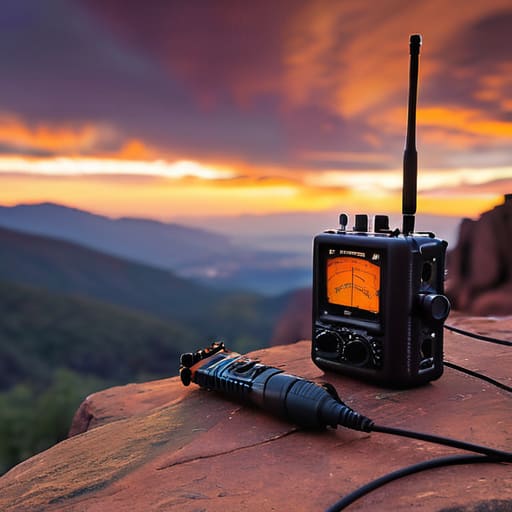
At the end of the day, planning a portable operation isn’t about checking off a list of expensive gear you saw in a glossy catalog; it’s about understanding the physics of where you’re standing. We’ve talked about why your power source needs to be more than just a battery that “looks” big enough, and why your antenna height—not just the wire length—is the difference between a signal that crawls and one that actually cuts through the noise. If you don’t account for the ground plane and the actual weight of your kit, you’re going to spend more time troubleshooting your gear than actually making contacts. Measure your setup before you leave the driveway, because once you’re halfway up a ridge with a heavy pack and a fading sun, you won’t want to be realizing you forgot a specific coax adapter or a sturdy tripod.
There is a specific kind of magic that happens when you finally settle into a spot, deploy your wires, and hear that first faint signal pull through the static from halfway across the world. It’s a reminder that despite all the digital noise of the modern age, we are still using real physics to bridge the gap between two points on a spinning rock. Don’t get so caught up in the pursuit of the perfect, high-tech rig that you forget the soul of the hobby: the connection. Get out there, get a little dirt on your boots, and trust your measurements more than the manual. The ionosphere might be temperamental, but if your groundwork is solid, you’ll be ready for whatever it throws at you.
Frequently Asked Questions
If I'm working on a tight budget, is it actually worth buying a dedicated portable power station, or can I just get away with a decent LiFePO4 battery and a good regulator?
If you’re on a budget, skip the “all-in-one” portable power stations. You’re paying a massive premium for the plastic housing and the integrated inverter you probably won’t even use. Grab a solid LiFePO4 battery and a high-quality, low-noise voltage regulator instead. I’ve run my SDR setups off a DIY LiFePO4 pack for years; it’s lighter, more efficient, and much easier to repair when you’re out on a ridge. Just watch your regulator’s heat dissipation.
How much does the local ground conductivity actually affect my signal when I'm setting up on a rocky ridge versus a damp valley floor?
It’s the difference between a signal that fights to stay alive and one that actually breathes. On that damp valley floor, the ground acts like a partner, helping your antenna push energy out. On a rocky ridge, you’re basically operating on an insulator. I’ve measured the difference: expect your take-off angle to skyrocket on the ridge, which kills your DX. If you’re stuck on rock, don’t fight it—just get that antenna higher.
When I'm packing for a hike, how do I decide between a lightweight wire antenna that's a pain to tension and a heavier, more resonant vertical?
Look, I’ve spent too many afternoons wrestling with a wire antenna that wouldn’t stay taut while the wind tried to turn my tripod into a projectile. If you’re hiking steep terrain, take the wire—but only if you have enough height to get it at least 15 feet up. If you’re sticking to a ridge where you can’t find a good tree, bring the vertical. It’s heavier in the pack, but it’ll actually work when you arrive.
