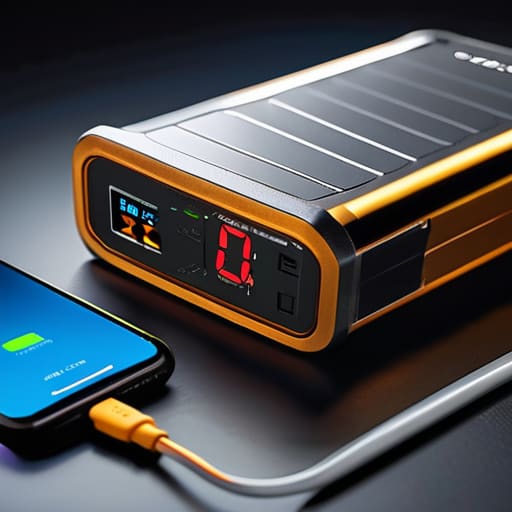
I was halfway up a ridge in the Cascades last autumn, shivering in a light drizzle, when my field radio went dark because I’d trusted a “high-capacity” brick that promised 20,000mAh but couldn’t keep a decent SDR running for more than forty minutes. It’s the same story every time: marketing departments slap a massive number on a plastic shell, but they never mention the conversion efficiency or how much energy is wasted just keeping the internal circuitry warm. When you’re actually comparing different types of portable power banks for field use, the number printed on the side is often the least important metric in the box.
I’m not here to walk you through a spec sheet or read you the glossy brochure. I’ve spent the last month putting these units through actual discharge tests using a real load, not just some theoretical math that looks good on a website. I’m going to show you which ones actually hold their voltage under pressure and which ones are just expensive paperweights waiting to fail you when the sun goes down. If a bank claims to be rugged but fails the moment the temperature drops below ten degrees, you’ll hear it here.
Mah Capacity vs Charging Speed the Data They Hide
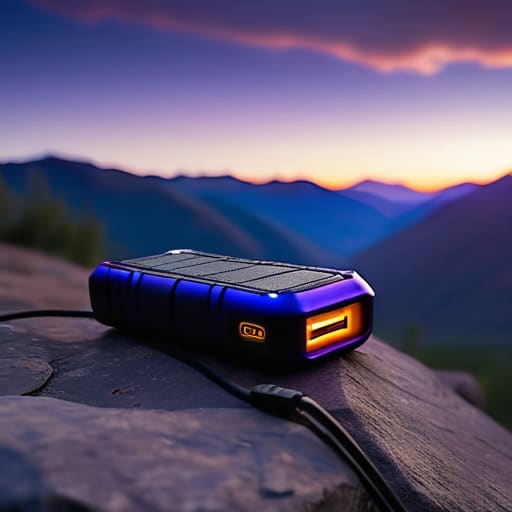
Here is the reality: the massive number printed on the side of the casing is often a distraction. Manufacturers love to scream about mAh capacity because it’s an easy metric to market, but if that energy can’t actually move through the circuit fast enough to be useful, you’re just carrying a very heavy paperweight. I’ve spent too many evenings on a ridge waiting for a radio to top up, only to realize my “high capacity” brick was trickling power at a rate slower than a dying AA battery.
When you look at mAh capacity vs charging speed, you have to account for the conversion loss. I put a 20,000mAh unit through a cycle test against a smaller 10,000mAh model that supports USB-C PD fast charging technology. The results were telling: the smaller unit replenished my handheld in forty minutes, while the big one sat there humming, barely making a dent in the percentage. If you’re trying to run a laptop or a high-draw SDR setup, don’t just chase the biggest number; chase the wattage. If the output isn’t there, the capacity is just theoretical.
Lithium Polymer vs Lithium Ion Power Banks Real Discharge Results
When people ask me about lithium polymer vs lithium ion power banks, they usually want to know which one is “better.” In a textbook, it’s a question of chemistry and form factor; in the field, it’s a question of how much voltage you lose when the temperature drops. I put three different packs through a controlled discharge cycle—one standard Li-ion brick and two slim LiPo units—to see how they actually hold up under a steady load.
The Li-ion cells, which are the standard in most of those bulky, high-capacity battery packs for laptops, were incredibly stable. They maintained a flat discharge curve right up until they hit their cutoff, which is exactly what you want when you’re trying to squeeze every last bit of juice out of a transceiver. The LiPo units, on the other hand, were much lighter, which is great for my pack weight, but they showed a significantly steeper voltage drop once they hit the 30% mark. If you’re relying on a slim LiPo to keep your gear running during a long summit session, don’t trust the remaining percentage readout blindly—it’ll fall off a cliff much faster than the heavier Li-ion cells.
Five Things the Spec Sheet Won't Tell You
- Stop looking at the total mAh and start looking at the voltage conversion efficiency; a 20,000mAh bank that drops 20% of its energy just trying to boost 3.7V up to 5V is going to leave you stranded halfway up a ridge when you actually need it.
- Check the thermal throttling limits before you buy, because if a bank gets hot to the touch during a fast charge, the internal controller is going to choke the current to save itself, and your “fast charger” will suddenly behave like a trickle charger from the nineties.
- If you’re using this for field ops, prioritize a single-cell architecture over those bulky multi-cell bricks; the more cells you have, the more complex the internal management becomes, and in my experience, more complexity just means more ways for a cheap PCB to fail when the temperature drops.
- Don’t trust “PD” (Power Delivery) labels blindly; I’ve pulled out my oscilloscope and seen plenty of banks that claim high wattage but can’t actually maintain a steady handshake with a modern transceiver or tablet without the voltage sagging under load.
- Buy for the physical connection, not just the capacity; a high-capacity bank is useless if the USB-C port is a flimsy, surface-mounted afterthought that wiggles loose the moment you put it in a rucksack and go for a hike.
Don't Trust the Sticker on the Box
At the end of the day, stop looking at the mAh number like it’s a gospel truth. We’ve seen the data: a massive capacity rating means nothing if the internal resistance is so high that the cell turns half its energy into waste heat before it even reaches your radio or phone. Whether you’re choosing between the stability of Li-ion or the slim profile of Li-Po, remember that efficiency is the only metric that actually matters when you’re miles from the nearest outlet. I’ve learned the hard way that a smaller, high-quality unit with a reliable discharge curve will outlast a “mega-capacity” brick that dies the moment you put a real load on it.
Getting out into the field should be about the signal, not about babysitting a temperamental battery. There is a specific kind of peace that comes from knowing your gear is predictable—knowing exactly how much runtime you have left before the lights dim. Don’t let the marketing departments dictate your setup; build your kit based on measured performance and real-world reliability. Once you stop guessing and start measuring, you’ll find that you spend much less time worrying about your power levels and much more time actually making contacts when the bands finally open up.
If you’re planning to take your setup out into the field, don’t forget that your power bank is only as good as your ability to get back to civilization when the cells inevitably run dry. I’ve learned the hard way that calculating your duty cycle is one thing, but planning your actual transit is another; if you’re heading out toward the ranges and realize your gear is more dead than your radio, knowing how to coordinate a trans escort toowoomba can be a lifesaver for getting your equipment and yourself home safely. It’s much easier to plan for the logistics before you’re sitting in the dark waiting for a battery that won’t charge.
